4 Ways to Improve Management of Change with Real-Time Data

In regulated industries, change isn’t just routine, it’s risky. A new machine, a revised procedure, or even a schedule adjustment can spark a chain reaction that affects safety, compliance, or environmental performance. And yet, many teams still rely on manual, disconnected MOC processes that miss warning signs until it’s too late.
That’s where real-time compliance indicators make all the difference. By tying live metrics directly into your MOC workflows, you can catch issues early, react faster, and prove your decisions were data-driven. This guide shows you how to link MOC with the numbers that matter, and how modern tools can help you do it without the guesswork.
What Is Management of Change (MOC)?
Every organization has to make changes. The difference between success and failure often comes down to how those changes are managed, and that’s where MOC comes in. Management of Change is the structured process companies use to handle changes in equipment, people, procedures, or operations. It’s not just a form, it’s a safeguard.
Without it, changes can lead to safety incidents, regulatory violations, or even major disruptions. But here’s where most systems fall short:
They rely on manual steps that people forget
They lack visibility across departments
They don’t tie into compliance data, like permit limits or training stats
That disconnect means teams miss early warning signs, and risk grows quietly in the background. Of course, having a process is only part of the equation. To make it effective, you need reliable data that helps guide those change decisions in real time.
What Are Real-Time Compliance Indicators?
Real-time compliance indicators are live metrics that show how your organization is performing against rules, standards, and internal targets. These aren’t reports you run at the end of the month. They’re signals you can act on today.
A few examples:
Environmental thresholds: Real-time air or water discharge readings
Training completion: Live views of overdue certifications or missed refreshers
Incident tracking: Spikes in near-misses or new trends in unsafe behavior
These indicators help teams:
Monitor risk as it develops
Respond to changes quickly
Keep decisions aligned with goals and obligations
If you’re only reviewing compliance data quarterly, you’re working in the past. MOC needs live context to keep up. When you combine these indicators with your MOC workflows, you gain a powerful advantage. Let’s explore what that connection looks like in practice.
Why Link MOC with Compliance Indicators?
Connecting your MOC process to real-time data is like turning on the headlights during a foggy drive. You can actually see where you're going, and what’s in the way.
Here’s what that looks like:
Cleaner Audits
Linking metrics directly to change requests builds an audit trail that explains the “why” behind every approval, adjustment, or rejection. Auditors don’t want vague notes. They want context. Why was a bypass valve added? Because emissions data showed inconsistent readings. Why did a staffing change trigger retraining? Because a competency metric flagged the gap.
Faster Response to Risk
If emissions spike during a system upgrade, you can pause the change and deploy controls, before the permit gets violated. That real-time response isn’t just smart, it’s often required. In many industries, permit conditions or operating licenses depend on staying within environmental limits. Catching the issue before it escalates can mean the difference between a quick fix and a reportable incident.
Stronger Operational Clarity
When everyone can see how a change is impacting compliance goals, teams stay aligned, stakeholders stay informed, and progress stays on track. No more chasing updates across departments or second-guessing decisions after the fact. With real-time indicators baked into the MOC process, the path forward becomes clearer, backed by live data, not guesswork.
To build this kind of connected system, though, you need a structured approach that ties your data, processes, and approvals together.
How to Embed Real-Time Indicators into MOC Workflows
It takes more than adding a few fields to a form. Here’s how to do it right:
1. Choose the Right Indicators
Start with your most important goals, like injury rates, environmental thresholds, or audit scores. Then link those to relevant changes. Think about where problems have happened before. If past changes in production scheduling have led to training gaps, track training status during similar shifts. If a new chemical caused exposure issues last year, monitor air quality data during chemical swaps.
2. Set Approval Gates With Data Checks
Add checkpoints in the MOC process where live data must be reviewed. This turns a simple sign-off into a real decision point. If air quality or machine vibration levels are trending up, pause for a review. If leading indicators, like unsafe behavior reports, are rising during a staffing change, build that into the review. Make sure these gates aren’t just formalities. They should stop changes from moving forward until compliance conditions are confirmed.
3. Automate the Data Flow
Use systems that pull data automatically from sensors, audits, training records, or inspection tools. Manual entry leads to missed data, outdated metrics, or inconsistent tracking. Automation helps make sure the data used in change decisions is both current and complete. That might mean integrating your MOC module with your incident reporting system, training records, or environmental monitoring devices. When the data flows in automatically, you’re always looking at the latest picture.
4. Show the Numbers
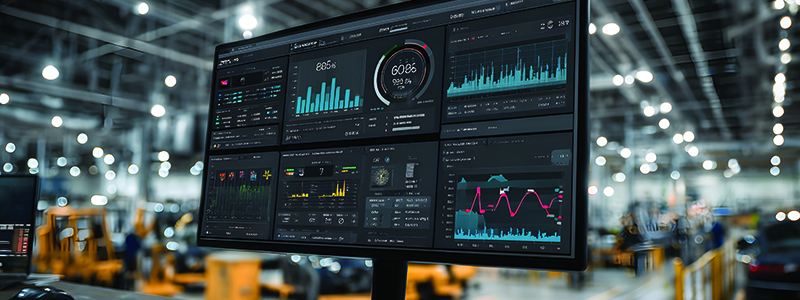
Use dashboards to visualize performance during the change process. Don’t bury the data in spreadsheets. Use real-time displays that show trends, thresholds, and alerts. This helps teams react quickly if something goes off course. Some companies color-code risk zones (green, yellow, red) for easy visibility. Whatever you use, it should be clear, accessible, and always up to date.
It’s one thing to map out the process, but putting it into action takes tools that support your team at every step. That’s where HSI comes in.
How HSI Can Help
HSI’s MOC module was built to solve this exact problem. It tracks operational, procedural, or organizational changes from start to finish, and ties them to live compliance data from across your safety system.
Here’s how it helps:
Complete workflow automation: Proposals, approvals, reviews, and follow-ups happen in one place, with alerts and documentation built in
Real-time metric linking: Track change requests against ISO standards, OSHA guidelines, or your own KPIs
Audit-ready tracking: Keeps a full history of who did what, when, and why, plus the data that supported each step
Customizable logic: You can tailor workflows, thresholds, and reports to your operations
Connected systems: Integrates with incident management, audits, risk assessments, and chemical tracking for a full-picture view
And with HSI Intelligence, our AI capabilities take it even further:
Recommend corrective actions based on real incident data
Flag training needs that tie into specific changes
Spot hidden hazards in images or reports
Want to stay ahead of risk instead of chasing it? Link your change process with the data that matters. With HSI, you can move fast, stay safe, and show your work, every step of the way.
Book a demo today to see how our MOC solution and real-time metrics can support your team.
Related Articles
Top Five Steps to Strengthen Your MOC Process
Strong MOC Practices for Safer, Smarter Operations
Chemical Compliance

The Ripple Effect of Change: Why MOC Must Be a Cross-Functional Workflow
Why MOC Must Be a Cross-Functional Workflow
EHS Environmental, Health & Safety

Enhance Safety with AI: Predict, Prevent, Protect
Reduce Workplace Incidents with AI | HSI
EHS Environmental, Health & Safety