Rethink Safety: How Total Worker Health Drives Real Business Results
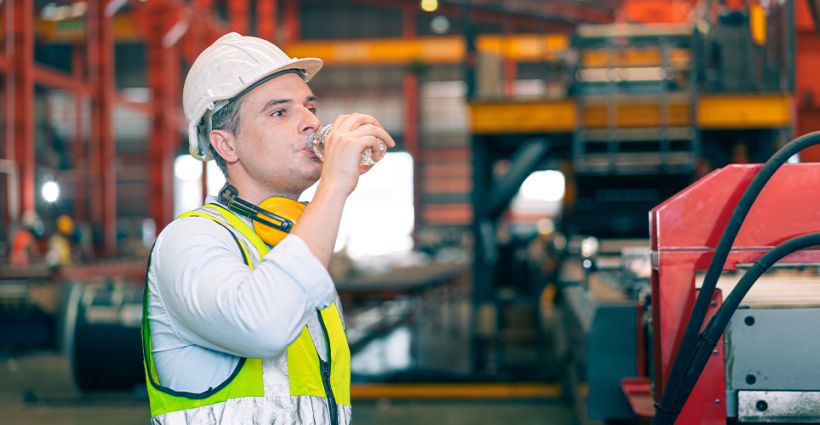
If you lead safety, you’ve likely felt the shift. The job isn’t just about PPE and fall protection anymore. It’s about teams who are burned out, distracted, and pushing through fatigue. Ergonomic injuries repeat. Hydration and sleep go unchecked. Mental health? Still whispered about, even when it’s quietly wrecking productivity.
These aren’t side issues, they’re signals, and they all point to the same truth: keeping workers safe now means supporting the whole person. That’s the promise of Total Worker Health. It expands safety to include well-being, and companies that embrace it are seeing fewer incidents, stronger teams, and a serious edge in today’s market.
What Is Total Worker Health?
Total Worker Health (TWH) is a term defined by NIOSH as “policies, programs, and practices that integrate protection from work-related safety and health hazards with promotion of injury and illness prevention efforts to advance worker well-being.” In simpler terms: it's safety that also looks after hydration, sleep, stress, and movement, not just slips, trips, and PPE.
Key parts of a Total Worker Health program often include:
Ergonomics (e.g., reducing strain in repetitive tasks)
Fatigue management (e.g., adjusting shifts to match workload)
Hydration and heat safety
Mental health awareness
Sleep education and stress support
Movement safety and body mechanics
This approach doesn’t replace traditional safety; it builds on it. When workers feel better, they’re more alert, more engaged, and more likely to stay safe. So why is this broader model catching on now? Let’s take a closer look.
Why Total Worker Health Matters Now
The workplace has changed, and so have the challenges facing safety teams. It's no longer enough to focus on compliance alone. Organizations are being pulled in multiple directions, trying to manage safety, productivity, and well-being all at once.
Today’s realities include:
Higher turnover, especially in frontline jobs
Rising costs from preventable injuries and workers’ comp claims
Increased stress and burnout, even among top performers
Generational differences in expectations around work and wellness
More remote and hybrid roles, which limit direct supervision
Post-pandemic, the connection between physical health, mental wellness, and job performance is clear. Workers expect more support, and they’re quick to leave if they don’t get it. Companies that prioritize whole-person safety are seeing better retention, stronger culture, and fewer costly mistakes.
These shifts have created both pressure and possibility, but the question remains: what does investing in Total Worker Health actually do for a business?

The Business Case for Whole-Person Safety
It’s easy to treat well-being as “nice to have.” But here’s what the data shows:
According to Liberty Mutual, overexertion and repetitive motion injuries cost U.S. employers over $13 billion annually.
Research shows that mental health issues are linked to significantly lower productivity.
When safety programs address hydration, sleep, and mental stress, the benefits stack up:
Fewer injuries from fatigue and distraction
Improved performance and morale
Lower absenteeism
Better recruitment and retention
Stronger brand and culture
Knowing the benefits is one thing. Making it work in the real world is another. So how do you start building Total Worker Health into what you're already doing?
How to Integrate Total Worker Health Without Starting Over
You don’t need to build something from scratch. Most companies already have the tools, they just need to connect the dots. Here’s how to start:
Review your job hazard analyses
Look for stress points beyond the task, long shift durations, heat exposure, or poor posture. Ask: What conditions make the task harder than it needs to be? Are workers skipping breaks to stay on schedule? Is the workspace set up in a way that encourages awkward movements? These overlooked details can create chronic strain and fatigue, even if no incident has occurred.
Include well-being topics in safety meetings
Add hydration reminders, sleep strategies, and stretch breaks to the rotation. Quick, informal safety meetings are the perfect place to normalize these conversations. You don’t need to overhaul your schedule, just swap in content that reflects current risks.
Track near misses with more context
Was fatigue a factor? Could better lighting or hydration have made a difference? Encourage teams to include contextual notes when reporting a close call. Did someone nearly fall after a long overtime shift? Was a slip related to dehydration or poor focus? Adding these notes builds a deeper understanding of root causes.
Work with HR and benefits teams
Align safety messaging with company-wide wellness goals. Many organizations already invest in wellness programs, EAPs, and training, but these efforts often live in silos. Bringing those teams into the safety conversation makes the message stronger. HR can help identify high-risk groups based on claims data or absenteeism. Benefits managers can promote services like mental health counseling or sleep coaching as part of your safety toolbox.
These practical steps can create a ripple effect across your safety culture. But as with any change, there are common missteps to watch out for.
How HSI Helps You Put Total Worker Health into Action
You don’t need a brand-new program, you need better tools. HSI brings Total Worker Health to life with training, software, and AI working together.
LMS: Deliver on-demand courses on hydration, fatigue, movement safety, and mental health, tailored by job role and trackable by completion.
EHS System: Document wellness actions, log health-related incidents, and generate reports that connect your efforts to real outcomes.
HSI Intelligence: Get data-driven insights and corrective training suggestions based on trends in fatigue, ergonomic strain, and more.
If you're ready to move beyond the basics and build a culture that truly supports your people, HSI is here to help. Our LMS, EHS System, and HSI Intelligence give you the tools to connect training, tracking, and action, so you can lead with confidence and protect what matters most.
Related Articles
Predict and Prevent: The Future of Workplace Incident Management
The Future of Incident Management: Predict & Prevent Accidents
EHS Environmental, Health & Safety
Onboarding Made Easy: Streamlining New Worker Safety in Manufacturing with AI
AI for Manufacturing Onboarding: Boost Safety and Speed
EHS Environmental, Health & Safety

The Missing Link in Safety Programs: Why Psychological Safety Matters
How Trust Improves Safety Performance
Workplace Safety