Trusted AI in Safety Software Explained
Key Takeaway
Trusted AI in EHS means more than accurate answers. It shows where information comes from, signals when confidence is low and uses your company’s real safety data. It also works inside daily safety workflows, not outside them. When AI meets these standards, teams can act faster and prevent more incidents with confidence.
How Does Source Transparency Build Trust in EHS AI Software?
A trusted EHS AI software doesn’t just give an answer. It shows where that answer came from so safety teams can verify it. The output should connect to real, checkable sources like incident records, inspection data, company policies, regulatory guidance, and approved training content.
This matters because safety decisions need support, not guesswork. When a recommendation ties back to known data, teams can act faster and with more confidence.
Guidance from the NIST Generative AI Profile reinforces this approach. It calls on organizations to review and verify sources in AI outputs and confirm the origin of training and testing data. That level of traceability helps ensure the system reflects reliable inputs, not assumptions.
You can see the value in everyday situations. A safety manager notices a pattern in hand injuries and asks the system for guidance. If the AI recommends a corrective action, the manager should be able to trace it back to:
Similar internal incidents
A company PPE policy
OSHA guidance
Trusted training content
Without that connection, even a well-written answer can feel uncertain. Teams may hesitate, double-check, or ignore the recommendation altogether. That’s the difference that matters in EHS. Showing sources builds confidence, but consistent, dependable performance is what earns trust over time.
Seeing the source behind an answer builds confidence, but it still leaves one question. How much should a team trust that answer in the moment?
What Are Confidence Indicators in Safety AI and Why Do They Matter?
A trusted AI system should not sound certain when the evidence is unclear. Instead, it should signal how strong its answer is and whether it falls within the conditions it was designed to handle. That clarity helps teams know when to act and when to take a closer look.
This idea comes from NIST’s Four Principles of Explainable AI. NIST explains that systems should provide meaningful explanations and only operate when they reach sufficient confidence in their results. When confidence is low or conditions fall outside the system’s scope, that should be clearly communicated.
In practice, that means a safety AI should be able to say:
This recommendation is based on strong, consistent data
This answer is based on limited or incomplete information
This situation falls outside the system’s experience
A human should review before taking action
This kind of feedback supports how safety teams already make decisions. They assess risk, look for gaps, and rely on the quality of information, not just the presence of an answer. Once teams understand both where an answer comes from and how strong it is, the focus shifts to how that guidance holds up during real safety work.
What Does Trusted AI Look Like in a Real EHS Program?
Trust builds through use, not claims. In EHS, that happens when AI supports the work teams already do and proves itself during real decisions, not just in demos.
When you look past the marketing language, trusted AI shows up in how the system performs day-to-day. It gives answers that are clear, grounded in real information, and easy for teams to verify before they act.
In practice, that means the system consistently does a few things well:
Connects answers to real, traceable sources
Signals when confidence is strong or when limits are reached
Uses company-specific safety data, not generic inputs
Supports human review instead of replacing it
Works inside active safety workflows
Gets tested, monitored, and improved over time
These traits matter because they shape how teams respond in the moment. If a system feels disconnected or unreliable, people hesitate or ignore it. When it fits naturally into the work, it becomes something teams rely on without second-guessing.
That is where trust actually forms. It comes from seeing consistent, dependable performance during inspections, incident reviews, and corrective actions, especially when conditions are not perfect.
Safety leaders already evaluate tools this way. They look for systems that are easy to check, relevant to the job, and reliable under pressure. When AI meets that standard, it starts to earn its place in the safety program.
How Does HSI Sky™ Deliver Trusted AI in EHS Workflows?
Most AI tools in safety feel like add-ons. They sit outside the work, answer questions in isolation, and leave the real decisions to disconnected systems.
HSI took a different approach.
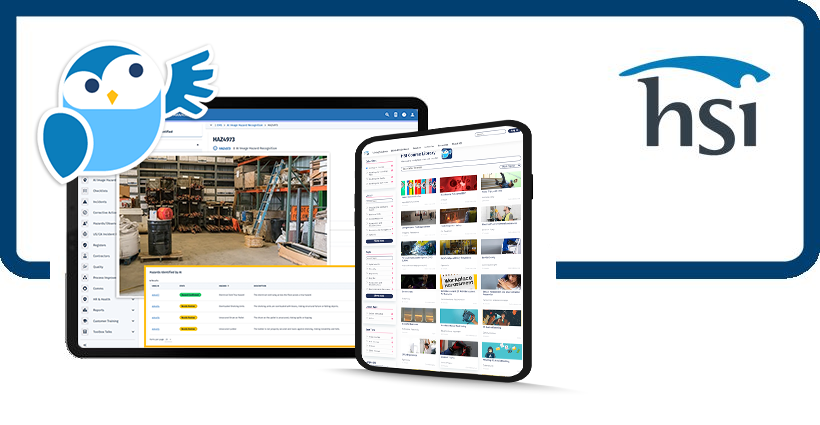
Sky, your virtual AI-powered assistant is built into the HSI Platform from the start. It works inside the same system where your team tracks incidents, runs inspections, assigns training, and manages compliance. That design allows AI to support the work as it happens, not after the fact.
Here is what that looks like in practice:
Answers grounded in your reality: Sky pulls from your incident data, inspections, policies, and training records. Responses reflect how your organization actually operates, not generic guidance.
Clear, usable recommendations: When Sky suggests an action, it connects that recommendation to real data and trusted content. Teams can trace the “why” behind the answer and act with confidence.
Support for real safety workflows: Sky fits into incident investigations, audits, hazard identification, corrective actions, and compliance tracking. It helps teams move faster without switching tools.
Confidence where it matters most: Sky recognizes patterns in your safety data and highlights trends early. That gives teams a chance to act before small issues turn into serious incidents.
A direct link between risk and training: When risks emerge, Sky recommends targeted training. This helps close the gap between identifying a problem and preventing the next one.
If your team wants AI that does more than generate answers, HSI can help. See how HSI Sky works inside a real EHS workflow and start building a safer, more proactive program today.
FAQ
What is trusted AI in an EHS system?
Trusted AI in an EHS system means the technology provides accurate, transparent, and context-aware guidance that safety teams can verify. It connects answers to real data, shows when confidence is low, and supports decisions inside existing safety workflows.
How does AI improve workplace safety programs?
AI improves workplace safety by analyzing incident data, identifying patterns, and recommending corrective actions before issues escalate. When integrated properly, it helps teams act faster, prioritize risks, and connect safety insights directly to training and prevention efforts.
Why is source transparency important in safety AI tools?
Source transparency allows safety teams to verify where recommendations come from, whether internal data, OSHA guidance, or training content. This builds trust and helps teams confirm that actions align with company policies and regulatory requirements.
What are confidence indicators in AI, and why do they matter?
Confidence indicators show how certain an AI system is about its recommendations. In safety, this helps teams understand when to act quickly and when to review further, reducing the risk of relying on incomplete or uncertain information.
What makes AI effective in real EHS workflows?
Effective AI fits directly into daily safety activities like inspections, incident investigations, and corrective actions. It uses company-specific data, supports human decision-making, and helps teams move from identifying risks to taking action without switching systems.
Related Articles
AI for Workplace Safety Starts Here: Meet Sky™
Meet Sky™! What Happens When You Ask Sky a Safety Question? | HSI
Emergency Care
Enhance Safety with AI: Predict, Prevent, Protect
Reduce Workplace Incidents with AI | HSI
EHS Environmental, Health & Safety
Boost EHS Stakeholder Engagement with AI-Driven Visibility
AI for EHS Visibility: Improve Stakeholder Engagement
EHS Environmental, Health & Safety
