Extreme Cold Weather Grid Operations and Preparedness: From SAR Recommendations to EOP-012-3 Compliance
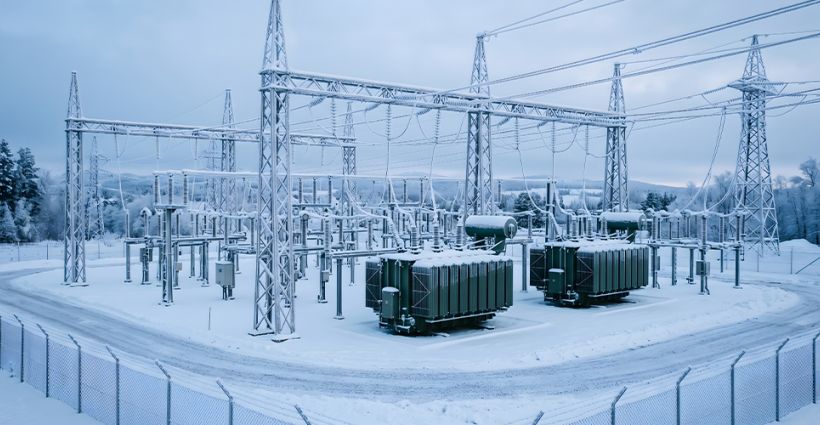
Key Takeaway
- NERC’s Extreme Cold Weather initiative was launched in response to lessons learned from Winter Storm Uri and Winter Storm Elliott.
- What began as industry recommendations has evolved into the mandatory EOP-012-3 Extreme Cold Weather Preparedness and Operations Reliability Standard.
- The standard requires Generator Owners (GOs) and Generation Operators (GOPs) to improve generating unit performance during extreme cold weather events.
- The industry's focus has shifted from enhanced winter preparedness to ongoing compliance and continuous improvement.
- EOP-012-3 is designed to strengthen winter reliability and reduce the risk of weather-related generation outages.
What EOP-012-3 Means for Generation Owners
EOP-012-3 is designed to ensure GOs understand the cold-weather limitations of their generating units and have documented plans to address those limitations before extreme weather arrives.
The standard applies to applicable BES generating units and requires GOs to develop, maintain, and periodically review cold-weather preparedness plans that help reduce the reliability impacts of extreme cold weather.
At a practical level, this means GOs need to understand each unit's cold-weather limitations and use that information to develop, maintain, and refine site-specific preparedness plans. Those plans form the foundation of compliance and help ensure generating units remain reliable when extreme winter conditions occur.
Maintaining Cold Weather Preparedness Plans
EOP-012-3 requires Generator Owners to maintain documented cold weather preparedness plans that reflect the specific operating characteristics of each generating unit.
These plans should address:
- Freeze protection measures
- Winterization strategies
- Operating limitations during extreme cold
- Fuel management concerns
- Response procedures during severe weather events
- Equipment inspections and readiness activities
Rather than treating winterization as a one-time project, the standard emphasizes an ongoing process of evaluation, maintenance, and improvement.
Once the core requirements are established, GOs need to translate EOP-012-3 into practical action before winter conditions arrive.
What Should Generator Owners Be Doing Right Now to Prepare for Winter?
As cold weather season approaches, organizations should be focused on three critical activities: reviewing and updating site-specific cold weather preparedness plans, delivering annual winterization training for applicable personnel, and completing winterization inspections and work assignments before temperatures begin to drop. Taking these steps early helps ensure both operational readiness and compliance with EOP-012-3 requirements.
While the standard emphasizes year-round preparedness, late summer and early fall are critical periods for cold weather readiness. Organizations shouldn't wait until temperatures begin to drop to review their programs.
As winter approaches, GOs should focus on three key priorities:
- Developing or updating site-specific winterization training
- Delivering annual cold weather preparedness training before winter conditions arrive
- Completing winterization inspections, maintenance activities, and corrective actions at generating facilities
Taking these steps early helps ensure personnel understand their responsibilities during extreme cold weather events and provides time to address deficiencies before they impact operations
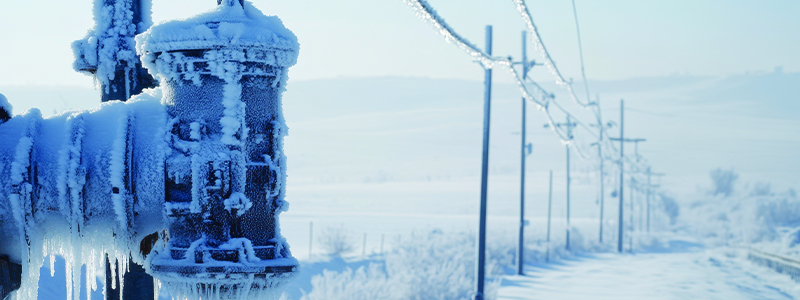
Corrective Action Plans and Continuous Improvement
Lessons learned from past cold weather events remain a central theme throughout the standard.
When equipment vulnerabilities or cold weather-related deficiencies are identified, GOs are expected to develop and implement corrective action plans. The focus is no longer simply identifying potential problems - it is demonstrating that those issues are being addressed and tracked through resolution.
The Importance of Training
Even the best winterization plan can fail if operations personnel are unfamiliar with their responsibilities during extreme weather conditions.
That's why training continues to be a major component of cold-weather preparedness. Personnel responsible for operating and maintaining generating units must understand site-specific procedures, equipment limitations, and response actions before severe weather occurs. Regular reviews and reinforcement of these procedures help ensure a coordinated response when temperatures drop.
What Documentation Should Be Retained for EOP-012-3 Compliance?
Preparing for an audit is not just about completing winterization activities. GOs should also maintain documentation demonstrating those activities were performed. Common compliance evidence may include:
- Site-specific winterization training materials
- Training attendance records
- Completed winterization inspections
- Work orders and corrective action documentation
- Records supporting implementation of cold weather preparedness plans
Maintaining organized documentation throughout the year can help streamline compliance reviews and demonstrate ongoing adherence to EOP-012-3 requirements.
A common compliance challenge is not completing the training itself but retaining supporting documentation. Organizations should maintain training materials, attendance records, and documentation demonstrating completion of winterization activities. Work orders, inspection records, and corrective action tracking can serve as important evidence that cold weather preparedness measures were implemented as required
Enhanced Communication of Cold Weather Constraints
Another significant area of focus is communication.
EOP-012-3 strengthens requirements related to Generator Cold Weather Constraint declarations, improving visibility into generating unit limitations during extreme weather conditions. Better communication between GOs, Balancing Authorities (BAs), Reliability Coordinators (RCs), and other operating entities helps system operators make more informed reliability decisions when cold weather threatens generation availability.
Beyond Generation: Industry-Wide Reliability Impacts
While EOP-012-3 is primarily focused on GOs and GOPs, the broader cold weather initiative also highlights the importance of coordination between BAs, Transmission Operators (TOPs), Transmission Owners (TOs), and natural gas infrastructure operators.
Many entities have already updated procedures related to:
- Load shedding
- Critical natural gas infrastructure protection
- Demand response limitations
- Emergency operating plans
- Cold weather coordination
These changes help reduce the risk of cascading impacts that can occur when extreme weather affects multiple sectors simultaneously. The lessons learned from Uri and Elliott continue to influence reliability planning across North America.
Treat fall as your EOP-012 cold weather readiness season. Organizations that review training programs, complete winterization work, and organize compliance evidence before cold weather arrives are typically better prepared for both severe weather events and compliance reviews. Waiting until winter conditions develop often leaves little time to address identified gaps.
Cold Weather Preparedness Is a Continuous Compliance Obligation
The transition from the 2021 SAR to EOP-012-3 represents one of the most significant reliability initiatives undertaken in recent years. What started as a response to severe winter weather events has become a permanent component of NERC compliance and reliability planning.
For utilities, compliance is no longer about preparing for future requirements. It’s about demonstrating cold weather preparedness is embedded in everyday operations. Equipment assessments, preparedness plans, corrective action programs, communication protocols, and workforce training must all work together to support reliable grid operations during extreme winter conditions.
As NERC continues to evaluate industry performance and lessons learned from future weather events, organizations that proactively maintain their cold-weather preparedness programs will be better positioned to support BES reliability, reduce operational risk, and successfully meet evolving compliance expectations.
Related Articles
NERC's Proposed CIP-100 Series: What Utilities Need to Know About the Future of Cloud Compliance
NERC is developing the proposed CIP-100 Series to improve cybersecurity compliance for utilities using cloud and hybrid...
Industrial Skills

How Large Loads Are Reshaping Grid Reliability: Key Takeaways from NERC’s Latest White Paper
Large energy loads from data centers and AI is creating new reliability challenges for the BPS
Industrial Skills
AI in the Control Room: Improving Grid Operations Without Losing NERC Compliance
Using AI in grid operations and NERC compliance
Industrial Skills