GHS Rev. 7 Explained: What You Need to Know About Flammable Gases
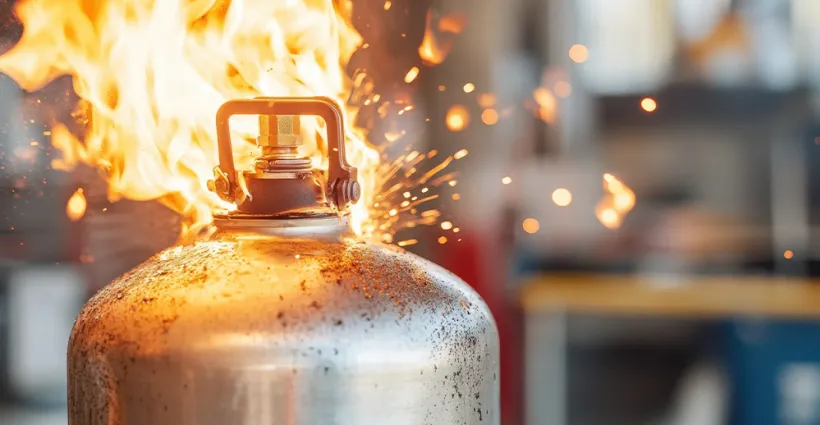
You're already juggling a lot, and the last thing you need is a regulation shift that adds more complexity. But here we are. GHS Revision 7 changes how flammable gases, aerosols, and pressurized chemicals are classified and labeled. For safety and operations professionals, these aren’t just technical details, they impact every label, every SDS, every safety briefing.
If your teams handle propane cylinders, aerosol adhesives, or any pressurized chemical, this is going to affect your workflows. It will likely demand changes across safety documentation, training, and hazard communication. This article breaks down what’s new, who’s impacted, and how to keep up, without getting buried in the fine print.
What Is GHS and What’s New for Flammable Gases and Aerosols
The Globally Harmonized System (GHS) was created to make chemical classification and labeling consistent worldwide. OSHA aligned U.S. regulations with GHS in 2012, but that version was based on the third edition.
Fast forward to 2024, OSHA finalized an update to catch up with GHS Revision 7. This update wasn’t just for the sake of alignment. It was pushed by real problems: misclassified hazards, outdated labels, and a growing demand for clearer risk communication, especially as supply chains stretch across borders.
When OSHA adopted GHS Revision 7, the goal was to address real gaps in how flammable gases and aerosols were being labeled and understood. Under older classifications, products with very different levels of risk were being grouped together.
Category 1A and 1B
Now, flammable gases are split into Category 1A and 1B. That might seem like a small tweak, but it changes how we prioritize safety controls. Gases in Category 1A are more likely to ignite without a flame, think hydrogen or acetylene.
This category also includes pyrophoric gases, which can ignite just from exposure to oxygen, and chemically unstable gases, which can break down on their own and cause an explosion. If you’ve got cylinders of lab gas or use specialty welding gases, those products may need new labeling under this category.
Category 1B
Category 1B captures flammable gases that still pose a fire hazard, but not quite as aggressively. This split gives employers and emergency responders a clearer way to assess risk during storage, transport, and use.
On the aerosol side, Category 3 was added for non-flammable aerosols. Previously, these were often misclassified or dumped into catch-all categories. If your business uses air fresheners, disinfectant sprays, or silicone lubricants, some of these products may now be considered non-flammable under the new system.
Chemicals Under Pressure
Another big shift introduced a category for “chemicals under pressure.” These aren’t your typical gases. This includes liquids or solids that are packed into pressurized containers using a gas. Think cleaning foams in pressurized canisters or construction adhesives in caulking-style tubes. These products can release high-pressure contents when damaged or heated, and the new classification is designed to make those risks more visible.
By focusing on how these materials behave under actual workplace conditions, these updates make hazard communication more accurate, and far more useful. These updates may seem technical, but they have real consequences for how people work with chemicals every day. Here’s what that looks like on the ground.
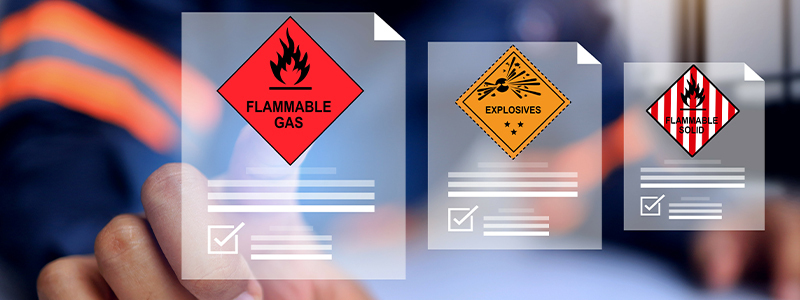
Who’s Affected and How It Shows Up in Daily Work
Let’s say you’re managing a roofing crew using spray foam insulation. Those pressurized cylinders were previously labeled under broad gas categories. Now, because they include liquid products under pressure, they’re part of the “chemicals under pressure” class. That means the labels, SDS, and handling instructions all need to be reviewed, and likely updated, to match the new classification.
Or take a packaging plant using aerosol adhesives. Under the new system, some of these may move from flammable to non-flammable classification. That affects not just the label, but also storage rules, fire protection needs, and PPE recommendations. Imagine the cost savings if your facility no longer needs a flammable storage cabinet for certain materials.
If you're a gas distributor supplying propane, acetylene, or other common industrial gases, you’re now responsible for determining whether your products fall under 1A or 1B. That change matters because it directly impacts downstream customers, especially those who rely on accurate SDS to train staff and plan emergency procedures.
If any of this sounds familiar, you're not alone, and you're not stuck. There are practical steps you can take right now to stay ahead of these changes.
What You Can Do Starting Now
The best first move? Run a gap analysis. Look through your current inventory of chemicals, products, and pressurized containers. Compare your existing classifications to the new definitions in GHS Rev. 7. Start with the chemicals you use most or that pose the greatest risk.
From there:
Retrain employees: Focus especially on front-line workers who handle or transport materials. Even simple things, like recognizing new pictograms or understanding label language, can reduce the chance of accidents.
Don’t assume your suppliers are ahead of this: Reach out to them. Ask when updated SDS and labels will be available. And make sure they align with your own compliance timelines.
Triage your chemical inventory: If some products are being reclassified from non-flammable to flammable, or vice versa, update those first. These shifts affect storage rules, PPE, and emergency response planning.
Review and revise your written HazCom plan: This isn’t just a document for auditors. It’s the foundation of your workplace hazard communication strategy. If it’s out of sync with how products are now labeled or classified, your team could be operating under the wrong assumptions.
Acting early reduces the risk of compliance issues later. More importantly, it helps keep your team safe today. Of course, knowing what to do is only half the battle. Having the right tools to make it easier, and actually get it done, is where the real difference happens.
Where HSI Comes In
When it comes to managing these changes, HSI’s Chemical Management System gives your team a serious advantage. It’s not just a place to store SDS or check off compliance tasks. It’s a smarter way to manage chemical safety, one that helps you stay ahead of regulatory changes like GHS Revision 7 without the usual stress and manual effort.
Here’s what sets it apart:
Automated chemical tracking and SDS updates keep your records current and accurate, no chasing down documents or second-guessing compliance.
Built-in labeling support simplifies the process for all container sizes, including those small ampoules that rarely fit standard templates.
AI-powered tools from HSI Intelligence take things further, recommending corrective training based on real incident data and flagged hazards.
Spot the Hazard uses image analysis to identify risks that might go unnoticed during routine checks.
You don’t have to navigate this shift alone. GHS Rev. 7 is already reshaping how companies manage chemical safety. With the right system, you don’t just react, you lead. Let us help you simplify the process, reduce risk, and give your workforce the confidence they need. Request a demo to see how HSI can help you stay compliant, stay ready, and stay safe.
Related Articles
5 Hidden GHS Rev. 7 Challenges Most Safety Leaders Overlook
Hidden Challenges of GHS Rev. 7 Compliance
Workplace Safety
6 Smart Ways to Tackle Small Container Labeling Under GHS Rev. 7
GHS Rev. 7 Small Container Labeling Rules Explained
Workplace Safety
Automate, Predict, Protect: The Future of Chemical Management
Unified EHS System for Smarter Chemical Safety
Chemical Compliance
