Good Samaritan Laws: Helping Others Without Fear

Heart Health awareness month happens every year in February. Now is a great time to understand Good Samaritan Laws and how you’re protected when helping others in an emergency.
When emergencies happen, most people want to help, but hesitation often sets in. What if I make it worse? What if I get sued? These are common fears that can delay lifesaving action. The truth is, Good Samaritan laws exist to protect people who provide CPR and first aid in good faith during emergencies. Understanding these laws can give you the confidence to help without fear.
What Are Good Samaritan Laws?
Good Samaritan laws are designed to protect bystanders who voluntarily assist someone in need of emergency medical help. They encourage people to act quickly when it matters most and before professional responders arrive.
In nearly every U.S. state, Good Samaritan laws state that a person who offers reasonable aid in good faith, without expectation of reward, cannot be held legally liable if their actions unintentionally cause harm.
In short, if you’re acting to help and not to harm, the law is on your side.
The Purpose Behind These Laws
These laws were created to remove barriers to lifesaving assistance. Many people hesitate to perform CPR or first aid because they fear legal consequences if the outcome isn’t perfect. But delaying help in a true emergency can be far more dangerous.
Good Samaritan laws encourage ordinary citizens to take action by:
- Protecting them from lawsuits for unintentional injury or death caused while giving reasonable aid
- Reinforcing the moral and civic responsibility to help others in distress
- Reducing bystander hesitation in public emergencies, especially cardiac arrest situations
Good Samaritan Laws and CPR
Many Good Samaritan protections specifically mention CPR. If you perform CPR on someone who appears to be in cardiac arrest, you are legally protected as long as:
- You act voluntarily and in good faith
- You provide reasonable care (consistent with your level of training)
- You don’t act recklessly or intentionally cause harm
Even if the person doesn’t survive, you are protected under Good Samaritan law CPR provisions, as your intent was to help preserve life.
Many states extend this protection to the use of Automated External Defibrillators (AEDs), which can dramatically improve survival rates during cardiac arrest.
First Aid Liability Protection Explained
Beyond CPR, Good Samaritan laws apply to a variety of first aid actions, such as controlling bleeding, helping someone who’s choking, or providing care for burns and injuries.
First aid liability protection generally covers anyone who:
- Provides emergency care without expecting payment
- Does not act with gross negligence or misconduct
- Stops providing aid only when professional responders take over
However, if you charge money for your assistance, ignore your training, or act dangerously, these protections might not apply.
Key Things to Remember
When responding to an emergency:
- Identify yourself and ask for permission before giving aid if the person is conscious.
- If they’re unresponsive, consent is implied under the law.
- Act within your level of training.
- Once you start care, continue until help arrives or you’re physically unable to continue.
Why Everyone Should Learn CPR and First Aid
Good Samaritan laws exist because every minute matters in an emergency. But training is what builds confidence — and confidence saves lives.
By completing CPR, AED, and First Aid training, you’ll understand how to:
- Ensure an emergency scene is safe before deciding to help
- Perform High-Quality CPR and use an AED
- Respond to and care for life-threatening injuries and illnesses
- Act quickly and with confidence
Be the Difference
Emergencies don’t wait for professionals. They happen in homes, offices, and public places every day. The Good Samaritan law gives you confidence that doing the right thing — offering help — is always the best decision.
Don’t let fear hold you back. With the right training and understanding of first aid liability protection, you can act decisively and compassionately when someone’s life depends on it.
Take an HSI CPR, AED, and First Aid course today and become the confident responder your community needs.
Related Articles
Are Rescue Breaths Necessary During CPR?
Are rescue breaths necessary during CPR? These are the questions that are frequently asked and addressed in CPR classes...
Emergency Care
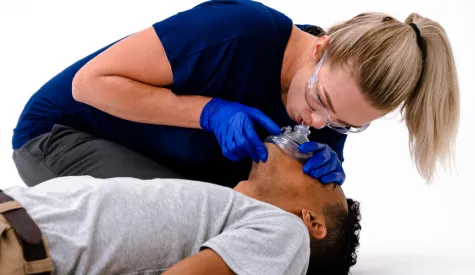
The Beginner's Guide to CPR and AED
In honor of National CPR and AED Awareness Week (June 1-7), let’s break down the basic steps of CPR and how to use an...
Emergency Care
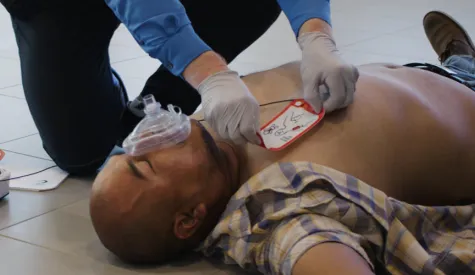
Emergency Bleeding: How To Stop The Bleed Until Help Arrives
Knowing how to apply bleeding control measures can make a significant difference in a person’s chance of survival prior...
Emergency Care
