Why Water Breaks Aren’t Enough: Build a Scalable Heat Safety Program
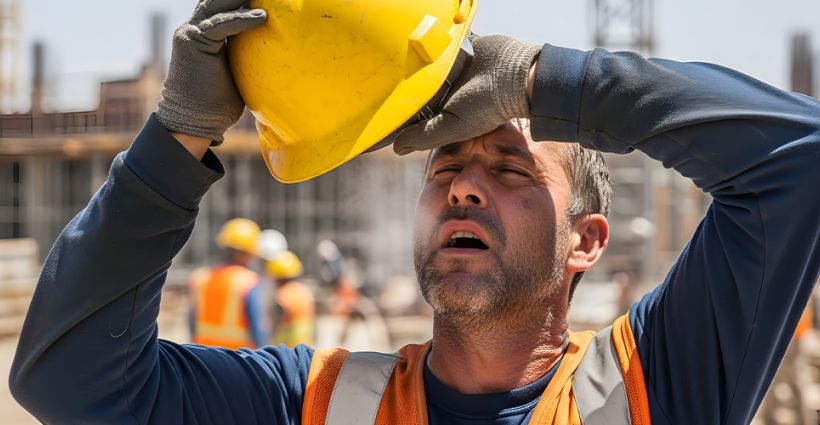
For decades, the go-to advice for protecting workers in the heat has centered on three things: drink water, take breaks, and find shade. But as extreme heat events become more common and more dangerous, that approach is starting to fall short.
The truth is, heat illness isn’t just a personal health issue, it’s a systems issue. This article walks through why heat safety needs a smarter, more connected approach. You’ll see why today’s conditions call for more than compliance, how scalable tools can help, and what safety leaders can do now to stay ahead of rising risks.
Heat Risk Is Getting Worse, and Fast
In the U.S., heat is already the leading weather-related cause of death. Longer heatwaves, earlier seasons, and record-breaking temperatures are becoming the new normal. For safety and operations leaders, this isn't a seasonal inconvenience; it’s a growing threat to workers, productivity, and compliance.
Workers in construction, agriculture, warehousing, utilities, and manufacturing are especially vulnerable. But even jobs once considered “low risk” are seeing heat-related incidents. Indoors or out, any poorly ventilated space, fast-paced work, or heavy PPE can turn into a hot zone.
And the effects aren't always dramatic. Often, heat stress shows up as fatigue, confusion, or small judgment errors. But those moments can trigger larger incidents, falls, machine accidents, or missed safety checks. The problem is growing, and the longer we rely on outdated tactics, the more workers we put at risk.
Traditional Prevention Tactics Aren’t Built for Today’s Climate
The basics still matter. OSHA guidelines stress the importance of drinking water, taking breaks, and using shade or cooling stations. But those measures assume workers will self-report symptoms and take breaks before things go wrong.
The problem? Heat stress is sneaky. People often don't recognize the signs in time. Add pressure to hit quotas, cover shifts, or avoid downtime, and self-regulation becomes unreliable.
Some symptoms, like dizziness, confusion, or nausea, can be brushed off or misread. Workers might not speak up until it’s too late, especially in high-pressure environments or when overtime incentives are in play.
For companies managing multiple sites or rotating crews, things get even harder. How do you know which job sites are feeling the worst heat? Which crews are missing breaks? Which tasks carry the highest exposure?
To manage the growing complexity of heat safety, employers need more than basic guidelines, they need a smarter, site-specific strategy.

Heat Safety Needs a Smarter, Site-Specific Approach
Modern heat safety isn’t just about responding to problems, it’s about spotting patterns and preventing incidents before they happen.
To do that, safety teams need tools that can:
Track heat-related incidents across time and locations
Flag patterns by task, crew, or site
Assign targeted corrective training when risks show up
Deliver real-time visibility to safety leaders and frontline supervisors
One jobsite may experience spikes in heat stress during late afternoon shifts. Another might show a pattern tied to a specific task, like working near asphalt or boilers. Without this level of detail, safety plans become too broad to be useful.
Crew rotation, shift timing, and job roles all influence heat risk. If a system can isolate those variables, leaders can make faster, more precise changes, like adjusting schedules or shifting break times to the hottest part of the day.
When you connect the dots between incident data, weather trends, and work tasks, you can move from one-size-fits-all plans to specific, actionable prevention. That’s how you catch the risks that water breaks miss.
Once you have that level of visibility, the next step is using it in real time. That’s where connected technology makes all the difference.
Technology Makes Heat Safety Easier, and Stronger
Smart systems reduce the guesswork. When you use digital tools to log symptoms, assign training, and analyze data, you’re building a real-time map of where the heat risk lives in your organization.
Examples of what that can look like:
A safety lead gets an alert when heat-related incidents rise at a specific site
Corrective training is assigned automatically after an incident
Hazard reports from the field flag heat concerns before they escalate
Supervisors use dashboards to monitor heat exposure trends over time
Those alerts and patterns can help shift the focus from reacting to problems to preventing them altogether. If reports show rising fatigue in a certain crew, operations teams can step in with immediate adjustments before someone gets hurt.
It also builds consistency. Instead of relying on each site to manage heat risk its own way, a centralized system gives every location the same tools and expectations. That helps larger organizations maintain standards across regions and climates.
And when those tools are part of a connected system, not just scattered spreadsheets or one-off reports, you get something even more valuable: the ability to act fast.
With that kind of speed and clarity, companies can stay ahead of heat risks instead of scrambling to catch up. HSI gives safety teams the structure and scale to manage heat risk with confidence.
How HSI Helps You Track, Respond, and Prevent
The HSI Platform helps companies manage heat safety with structure and scale. You can track heat-related incidents, log environmental conditions, and assign timely, relevant training to workers, right from a centralized system.
HSI Intelligence takes it further. This suite of AI capabilities helps teams:
Identify patterns in heat-related incidents
Predict where heat risks are increasing
Recommend targeted corrective actions
Spot hazards through image review and other AI tools
Because HSI Intelligence lives inside both the EHS System and LMS, it bridges safety and training in real time. That means heat-related issues don’t just get documented, they get solved, with action plans that reach the right people quickly.
Ready to move beyond reactive heat safety? Start using a system that connects the dots, closes the loop, and protects your team before risks turn into incidents. Explore how the HSI Platform and HSI Intelligence can help you take smarter, faster action, at every site, every day.
