How to Keep Seniors Safe During Winter Emergencies
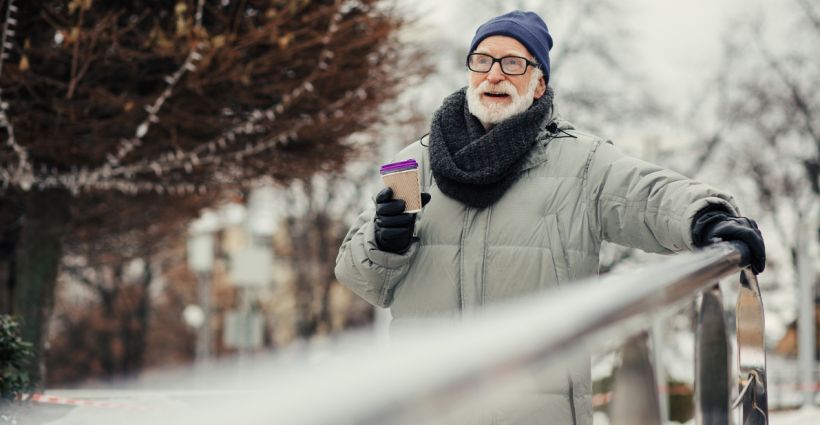
When winter arrives, everyday tasks can become harder for older adults. Icy sidewalks, unexpected power outages, and even routine errands can pose risks that many families don’t think about until an emergency happens. Cold weather can make it difficult to stay warm and worsen existing medical conditions — especially for those who live alone or have limited mobility.
Supporting an elderly person through the challenges of winter takes a mix of preparation, awareness, and compassion. Whether you’re caring for a parent, grandparent, neighbor, or another family member, your efforts can make a significant difference in keeping them safe, connected, and comfortable during the colder months.
Here’s how you can help keep seniors safe during winter emergencies and beyond.
Understanding how cold weather affects seniors
As people age, their bodies simply don’t hold or generate heat the way they used to. Metabolism slows, so the body produces warmth more gradually. Muscle mass naturally declines, and because muscle helps create heat, older adults can cool down faster than expected. Skin naturally becomes thinner with age, and the body’s insulation changes too, which can also make it harder for the body to stay warm in cold conditions.
Circulation changes play a role as well. Blood doesn’t move to the skin and extremities as efficiently, making hands and feet feel cold sooner and making it harder for the body to stay warm overall. Many seniors also don’t sense cold as quickly or as intensely, so they may not recognize a drop in temperature until it has already affected their body.
With all of these factors at play, even a slightly chilly room can become uncomfortable or risky. And when you imagine the possibilities for harm during winter emergencies — such as extreme cold weather, power outages, or limited access to heating — it becomes even clearer why older adults face heightened risks during winter months.
1. Prepare for power outages and winter emergencies
Building or updating an emergency kit is one of the most effective ways to help seniors stay safe during a winter emergency. A reliable kit should include items such as warm blankets, cold-weather clothing, non-perishable food, bottled water, prescription medications, and a first aid kit. Flashlight, batteries, and backup power banks are equally important in case a storm knocks out the power.
Preparedness also means knowing what’s coming. Encourage seniors and caregivers to keep an eye on local alerts, including winter weather advisories, storm watches, and forecasts that call for high winds, heavy snow, or dangerous icy roads. Weather apps, local news stations, and community alert systems can all provide timely updates.
Should a prolonged outage make the home unsafe or too cold, nearby community centers or warming shelters may be available as an alternative. So be sure to identify these locations ahead of time and plan how to get there if needed.
2. Prevent slips, falls, and other injuries
Falls are one of the most common winter-related injuries among older adults. Slippery sidewalks, uneven surfaces, and reduced daylight during shorter days increase the likelihood of accidents.
Steps seniors can take to stay safe outdoors in cold weather months:
- Wear rubber-soled shoes, non-skid soles, or boots with good traction.
- Use walking aids, such as canes or walkers.
- Keep a charged phone on hand during outdoor tasks.
Ways caregivers and family members can help reduce fall risks:
- Clear entrances, porches, and walkways using salt, sand, or a snow shovel.
- Install sturdy handrails and ensure good outdoor lighting.
- Remove clutter or obstacles inside the home that could contribute to falls.
Supporting mobility helps avoid preventable injuries and keeps seniors independent through the winter season.
3. Help seniors stay warm and healthy
Cold indoor temperatures and reduced mobility can make it harder for seniors to stay comfortable and energized. A few simple habits can make daily life safer and more manageable.
Consider helping with:
- Choosing warm, layered clothing and keeping blankets easily accessible.
- Ensuring heating systems and space heaters are used safely.
- Encouraging balanced meals and regular hydration.
- Supporting gentle indoor movement or stretching to maintain circulation.
- Watching for discomfort, fatigue, or unusual changes in how they feel.
These small steps provide steady protection throughout the winter and help seniors stay comfortable, active, and better prepared for cold-weather challenges.
4. Maintain mental health through human connection
Alongside physical risks, winter increases emotional challenges for many seniors. Social isolation, reduced sunlight, and limited mobility can affect mental health, especially when they spend most of the colder months indoors.
Ways to offer meaningful support:
- Schedule regular check-ins through calls, texts, or video chats.
- Visit when weather conditions allow.
- Encourage participation in virtual or local community programs.
- Spend time together engaging in simple indoor activities.
- Watch for signs of loneliness, stress, or depression.
Connection brings comfort. For many older adults, it’s just as important as warmth and medical care in maintaining health and overall well-being during the winter season.
5. Know the signs of hypothermia
Hypothermia is one of the most dangerous cold-related conditions. It occurs when the body’s core temperature drops to a dangerous level, and it can happen indoors or outdoors. Recognizing symptoms early is crucial.
Common indicators include shivering, an inability to function well, a decrease in consciousness, or an altered mental status.
If you suspect hypothermia, call 911 immediately. If the person is breathing and responsive, take the following steps until help arrives:
- Keep the person lying flat. Don’t allow them to stand or walk. Moving too much can push cold blood back toward the heart and increase the risk of cardiac arrest.
- Protect the person from further cooling. Use blankets, quilts, sleeping bags, or any insulating material available. Cover the head and neck to retain body heat. If possible, gently move them to a warmer location and remove any wet clothing.
- Begin actively rewarming the person if you’re far from help. Place warm (not hot) water bottles in their armpits. Apply a large electric heat pad or blanket to the chest and back. Avoid applying external heat to the arms and legs. Check warmed skin every 20-30 minutes for excessive reddening or other signs of thermal burns.
If the person becomes unresponsive, begin CPR. People experiencing hypothermic cardiac arrest have survived with good neurological outcomes even after extended resuscitation efforts. If you’re not trained in CPR, compression-only CPR is still effective and encouraged.
CPR, AED, and First Aid skills can save lives
When winter emergencies happen, knowing how to respond can make all the difference. CPR, AED, and First Aid training gives you the confidence to act quickly during a fall, cardiac event, or cold-related emergency — especially when severe weather or icy roads may delay medical help. These lifesaving skills are invaluable for anyone caring for older adults, and they can bring real peace of mind during the winter months.
Small, thoughtful actions also matter. Checking in more often, updating an emergency kit, clearing icy walkways, or helping with errands during bad weather can go a long way toward preventing accidents and supporting a warm, safe home for the older adults in your life.
With preparation, compassion, and the right training, you can help the seniors around you stay safe, supported, and connected all winter long. To get CPR, AED, and First Aid certified, reach out to your local HSI Training Center today!