Are You Overlooking These Modern Workplace Noise Hazards?
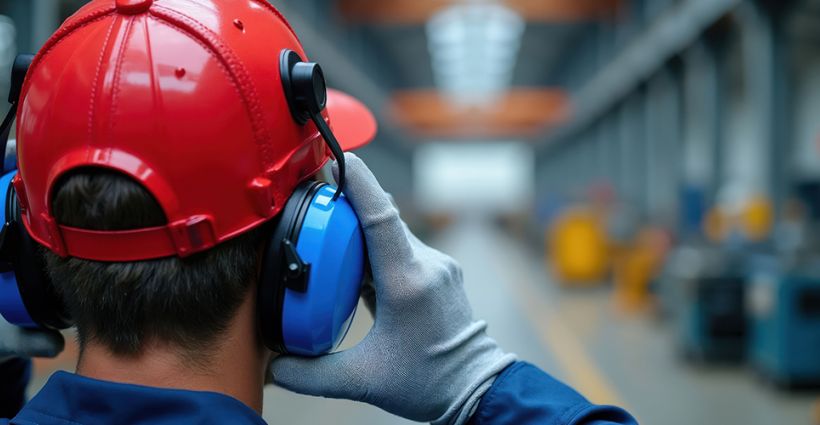
Most safety professionals know the dangers of loud machinery, hammer drills, or jackhammers, but today, workplace noise isn’t just about equipment or factories. It’s creeping into places we don’t usually expect, from office cubicles to warehouse aisles to jobs set up next to busy city streets.
Noise is changing, and if your hearing protection efforts aren’t keeping up, your people might be exposed without knowing it. This post will help you spot where modern hearing risks show up, what’s causing the shift, where most programs fall short, and how modern tools can help you protect your teams.
Where Hearing Hazards Are Now
You don’t need jackhammers or diesel engines to have a serious noise problem. Today’s workspaces are filled with background noise that flies under the radar, but still harms workers over time.
Open offices create a steady stream of sound from conversations, ringing phones, HVAC systems, and digital devices. It rarely seems “loud,” but the constant exposure can increase fatigue, reduce concentration, and contribute to long-term hearing stress.
Warehouses now use electric forklifts, smart pickers, and warning tones that produce quick, sharp bursts of sound. These sounds may be brief, but their unpredictability and repetition can heighten stress and strain hearing over time.
Urban job sites face even less control. Crews work next to busy intersections, construction zones, and public events. The noise is constant, but there’s no single source to isolate, monitor, or mitigate. And rarely is PPE issued for that kind of exposure.
These environments don’t always trigger an immediate hearing threshold shift., but cumulative exposure matters. Studies now link this kind of “low-level” noise to increased cardiovascular strain, sleep disruption, and cognitive fatigue, not just hearing loss.
The biggest risk? No one thinks it's a risk. There are no obvious alarms, no hearing protection requirements, and often, no noise assessments at all.
What’s Fueling the Rise in Noise Hazards?
New tools are quiet in design but noisy in practice. Drones, robotics, smart conveyors, HVAC systems, and even electric vehicles can all produce high-frequency sounds or repetitive tones that irritate or damage hearing over time.
That noise often blends into the background, making it harder to detect with casual observation. A smart conveyor might not roar like a diesel motor, but the constant high-pitched whine from electric drives and belt systems can still cause stress and fatigue, especially when paired with alert tones or error beeps.
Automated announcements are another overlooked contributor. Warehouses, transportation hubs, and even some healthcare facilities rely on these systems to communicate quickly, but the volume often competes with ambient noise, forcing them to be louder than necessary. Multiply that across an 8-hour shift, and the exposure becomes significant.
In distribution centers and manufacturing spaces, voice-picking systems and digital scanners also add layers of sound. When multiple devices talk at once, the cumulative noise can become a persistent strain. These are examples of how seemingly “quiet” innovation introduces new auditory pressure.

The Way We Work Has Changed
Modern workspaces often trade acoustic control for flexibility. Open offices echo. Hybrid spaces combine offices, shipping docks, and retail areas. Many jobs now take place in locations not originally designed for full-time work, like pop-up warehouses or shared commercial lots.
Shared spaces bring unpredictability. A sales office may sit just feet away from a receiving bay where power jacks operate on and off all day. Or a conference call in a coworking space might compete with overhead HVAC systems that cycle on at high volumes. In many of these areas, there’s no designated “loud” zone, just constant low-level sound that builds over time.
Retail logistics centers are another example. They often operate 24/7 to meet fulfillment demands, mixing fast-moving people, machinery, music, and mobile tech in tight quarters. The noise isn’t deafening, but it’s nonstop. The more layered the environment becomes, the more difficult it is to control exposure.
People’s Behavior Plays a Role
Employees are using headsets more often, not just for calls but for meetings, training, and online tools. Some wear earbuds throughout their shift, unaware of how volume levels or prolonged use can damage hearing.
Noise-canceling headphones, often seen as protective, can backfire. If the environment is still loud, users may increase the volume on their devices to overpower outside sounds, essentially amplifying their own exposure.
There’s also a cultural shift. If a space doesn’t feel loud, people don’t speak up. Some workers may worry that reporting a noise issue sounds like a complaint or that others won’t take it seriously. Without clear encouragement to speak up, potential hazards can go unnoticed until they lead to symptoms, like ringing in the ears, headaches, or early signs of hearing loss.
That’s why it’s not enough to simply raise awareness; organizations need systems that make it easy to act. The right tools can turn quiet concerns into visible data, guide smarter decisions, and help you stay ahead of risk.
How HSI Supports Modern Hearing Safety
If today’s hearing risks look different, your hearing program should too. HSI gives you the tools to catch problems earlier, respond faster, and protect more people, whether they’re on the warehouse floor, in a back office, or out in the field.
Here’s how HSI helps you close the gap between traditional hearing programs and the reality of modern noise exposure:
Role-Specific LMS Training: Train employees on the exact risks they face in their environments, from headset use in office roles to high-pitched alarms in automated facilities. HSI’s courses go beyond the basics with content that’s regularly updated and easy to refresh.
Centralized EHS System for Real-Time Oversight: Stop relying on scattered spreadsheets or delayed reports. With the HSI Platform, you can log noise complaints, track audiometric testing, and view all hearing-related data in one place, making trends easier to spot and action easier to take.
Built-In Tools That Encourage Reporting: Give your people simple ways to speak up. HSI makes it easy to report noise concerns via mobile forms, QR codes, or integrated workflows, so no issue goes unnoticed.
AI-Powered Insights with HSI Intelligence: Soon, HSI Intelligence will take things a step further by identifying patterns in noise reports, automatically recommending training, and flagging potential hazards before they escalate.
If you’re still using a program built for a louder, simpler time, it’s time to upgrade. Modern hearing hazards demand smarter solutions, and HSI is built to deliver them.
Let’s protect your people the way today’s work demands. Reach out to HSI to get started.
Related Articles
Are You Protecting Your Hearing While on the Job?
Workplace Safety

Avoid These 5 Common Workplace Safety Mistakes with EHS Software
Avoid These 5 Common Workplace Safety Mistakes with EHS Software
Workplace Safety

Predict and Prevent: The Future of Workplace Incident Management
The Future of Incident Management: Predict & Prevent Accidents
EHS Environmental, Health & Safety