Spring Safety: First Aid Skills for Parks, Trails, and Backyards
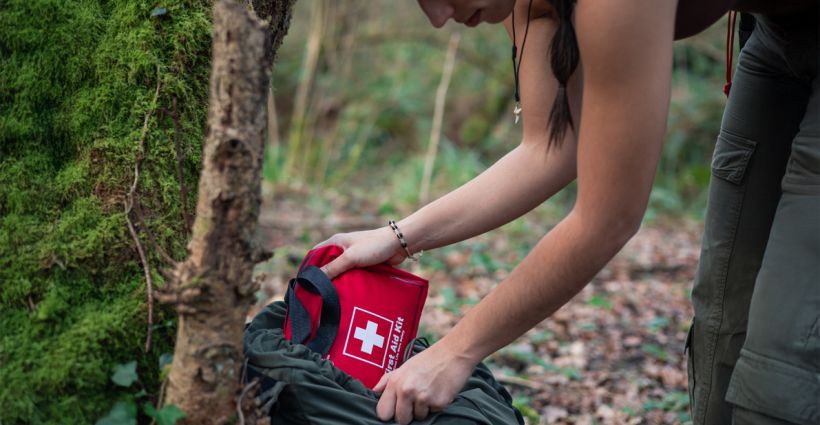
Spring has a way of pulling people back outside. Trails start calling again, backyards get more use, and weekend plans shift toward fresh air and outdoor adventures. But more time outside often means more bumps, cuts, and bruises — so a little preparation can go a long way.
What to keep in mind this spring
Spring conditions can be unpredictable, even when the weather forecast looks clear. Cooler temperatures in the morning can shift quickly to high temperatures by the afternoon, and dry trails can quickly change into hazardous terrain after a spring shower. What starts as a well-planned outing in good conditions can feel very different just a few hours later.
Environmental factors also play a role. As temperatures rise, insect bites, bug bites, and encounters with local wildlife become more common. Uneven terrain and loose gravel can increase the risk of slips or twists, particularly on trails that may not have been heavily used during the winter months.
At the same time, many people are easing back into outdoor activities after months spent indoors. Jumping into longer outings, higher elevations, or more strenuous activity too quickly can lead to general strain or fatigue, increasing the likelihood of common injuries.
Understanding outdoor risks and how to reduce them
Some of the most common injuries and medical emergencies in warmer months include:
- Slips, trips, and falls on uneven or wet surfaces.
- Heat-related illnesses, including heat exhaustion and heat stroke during warm weather or unexpected extreme heat.
- Insect bites and bug bites, which can cause irritation or, in some cases, severe allergic reactions.
- Encounters with local wildlife, including snake bites in certain regions.
- Dehydration due to increased activity and limited access to clean water while out and about.
These risks aren’t limited to wilderness areas or overnight hikes. They can happen during a short hike, at local or state parks, or even in your own backyard.
A little preparation before heading out can make a big difference. For example:
- Check the weather forecast. Sudden changes like heavy rain or extreme heat can impact trail conditions, visibility, and overall safety.
- Dress for the environment. Wearing long pants can help reduce exposure to insect bites and poisonous plants, while lightweight layers support better body temperature regulation throughout the day.
- Stay hydrated. Bringing enough clean water and taking frequent breaks can help reduce the risk of heat-related illness.
- Share your plans. If you're heading into remote areas, letting someone know your starting point, expected return time, and emergency contacts can help ensure support is available if something changes.
Preparation doesn’t eliminate risk, but it does make it easier to respond quickly and keep small issues from becoming more serious.
What to carry: First aid kit basics
Whether you're at a local community park or miles into a trail, having a well-stocked first aid kit gives you the ability to respond quickly.
A basic first aid kit should include essential items that support immediate care until medical help or emergency services are available. Common first aid kit contents include:
- Adhesive bandages and gauze to cover minor cuts and abrasions.
- Antiseptic wipes or ointment to clean wounds and reduce infection risk.
- Tweezers for removing splinters or debris from wounds.
- Pain relievers to help manage discomfort from minor injuries.
- Cold packs to help reduce swelling from strains and sprains.
Having first aid supplies on hand is one part of being prepared. But knowing how to use them matters just as much.
Basic first aid skills for outdoor activities
Spending time outside means you may be the first person to respond when something happens. Having a few essential first aid skills can help you stay calm, assess the situation, and take appropriate action.
This starts with recognizing what you’re dealing with. A minor cut or scrape may only need basic care, while symptoms like severe pain, dizziness, or unusual fatigue may signal something more serious that requires immediate medical attention.
It also means being able to respond in ways that help prevent the situation from getting worse. Supporting an injured area, helping someone stay still and comfortable, and monitoring changes in their condition can all make a difference while waiting for emergency services or medical help.
A few key first aid skills to understand before your spring adventures include:
- Controlling bleeding. Knowing how to apply direct pressure and protect a wound can help limit blood loss and stabilize an injury until further care is available.
- Stabilizing injuries. Understanding how to support or improvise a splint for an injured area can help prevent further damage and reduce pain, especially with falls or a sprained ankle.
- Recognizing heat illness. Being able to spot early signs of heat exhaustion and respond before it progresses to heat stroke is critical in warm weather or high temperatures.
- Responding to bites and stings. For spider bites or scorpion stings, removing jewelry or constrictive items, cleaning the area, applying a cold pack, and contacting Poison Control can help manage symptoms and guide next steps.
- Knowing when CPR may be needed. Understanding how to recognize when someone is unresponsive and not breathing normally, and how to begin CPR until emergency services arrive, can be lifesaving in a cardiac emergency.
Outdoor environments can add another layer of complexity. In remote areas or hard-to-reach locations, response times may be longer. Limited cell phone service can also make it harder to call for emergency help right away. In these situations, being able to provide immediate care becomes even more important.
Building confidence with First Aid training
First aid training gives people the knowledge and practical experience needed to respond in real-world situations.
A formal first aid course provides hands-on training that reinforces best practices, builds confidence, and helps individuals respond more effectively to a wide range of medical emergencies — from minor injuries to more serious conditions. It also gives you the opportunity to practice skills in a structured environment, so you’re not relying on guesswork in the moment.
Whether you're an experienced outdoor enthusiast or simply spending more time outside with your family this spring, proper training helps you feel more prepared for whatever comes your way.
Find a local HSI Training Center to get certified in CPR, AED, and First Aid training courses near you.
Related Articles
What To Do During An Asthma Attack
There’s no cure for it, asthma flare-ups can be managed by avoiding triggers, preventing symptoms with asthma...
Emergency Care

5 Safety Lessons Hidden in Horror Movies
From Jaws to Scream, horror movies reveal surprising lessons about recognizing danger, calling for help, and responding...
Emergency Care

Can You Pass This First Aid Quiz?
Think you know first aid? Take this quiz to test your knowledge, learn key lifesaving tips, and see if you're truly...
Emergency Care