Sun Safety 101: Protecting Yourself and Your Family This Summer
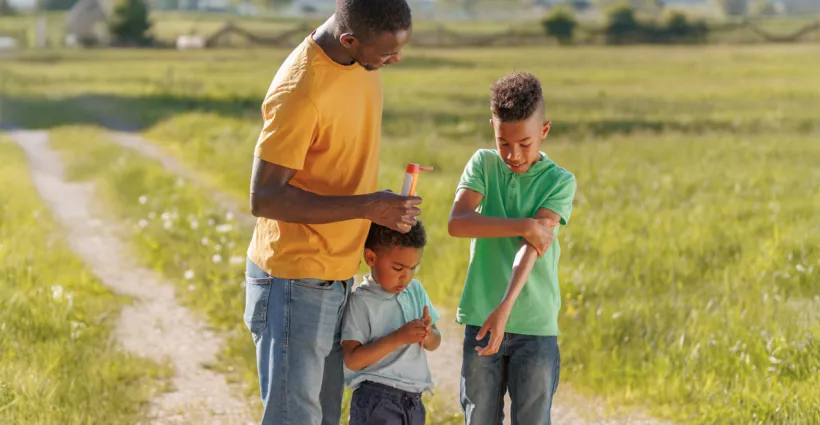
Whether you're heading to the beach, working in the yard, or spending the day at the ballfield, protecting yourself and your family from ultraviolet (UV) rays and extreme heat should be part of your plan.
Sunburn, dehydration, and heat-related illnesses are among the most common summertime injuries, but they're also among the easiest to prevent with a little planning.
Why sun protection matters even on cloudy days
UV Safety Awareness Month, observed each July, is a reminder that UV radiation isn't just a concern on sunny days. According to the U.S. Environmental Protection Agency (EPA), up to 80% of the sun's UV radiation can pass through light cloud cover, meaning you can still experience UV exposure even when the sky is overcast. UV rays can also reflect off surfaces like white sand, water, concrete, and snow, potentially increasing your exposure.
The sun produces two types of UV radiation that reach the earth's surface: UVA rays and UVB rays. UVA rays penetrate deeper into the skin and contribute to long-term skin damage, while UVB rays are the primary cause of sunburn. Both can damage skin cells and increase the risk of skin cancer over time.
Because UV radiation can reach your skin in a variety of weather conditions, sun protection is important whenever you plan to spend time outdoors.
How to protect your skin during outdoor activities
The best protection from the sun comes from combining sunscreen, protective clothing, shade, and smart planning before spending extended time outdoors.
Here are a few simple ways to reduce UV exposure:
- Check the UV index. The UV Index is a simple tool that measures the expected strength of UV radiation for the day. Higher numbers mean harmful UV rays are stronger, and skin can burn more quickly.
- Use sunscreen. Look for a broad-spectrum sunscreen with a sun protection factor (SPF) of at least 30. Apply it to all exposed skin before going outside, and reapply at least every two hours or after swimming or sweating.
- Cover up with protective clothing. Long-sleeved shirts, long pants, and rash guards can provide an extra layer of UV protection, especially when made with fabrics that have an ultraviolet protection factor (UPF) rating.
- Wear wide-brimmed hats. Unlike a baseball cap, a broad-brimmed hat helps protect the face, tops of the ears, and back of the neck, which are common places for sunburn.
- Wear sunglasses. UV-blocking sunglasses help protect your eyes and the sensitive skin around them. Consider wearing larger or wraparound to limit sun damage from the sides.
- Seek shade when possible. This is especially important during peak hours when the UV Index is highest. Plan outdoor activities earlier in the morning or later in the afternoon to help limit exposure.
Combining these simple habits is the best way to reduce your UV exposure for long-term health.
Don’t forget hydration and heat safety
Sunburn isn't the only concern during the summer months. Spending long periods outdoors in hot weather can quickly lead to dehydration, increasing your risk of heat exhaustion and, in severe cases, heat stroke.
Make hydration a priority before, during, and after outdoor activities. Drink water regularly instead of waiting until you feel thirsty, and take breaks in the shade or an air-conditioned space when possible.
If you're exercising, working outside, or spending several hours in the heat, pay close attention to how you feel and watch for early signs of heat-related illness.
Additionally, children are especially vulnerable to sunburn and heat-related illnesses, so it's up to adults to make sure they stay hydrated, take breaks in the shade, and are protected from the sun throughout the day.
Heat exhaustion vs. heat stroke: Know the difference
Both heat exhaustion and heat stroke can develop after spending too much time in hot, humid conditions. Recognizing the warning signs early can help prevent a more serious emergency.
Heat exhaustion often causes heavy sweating, headache, dizziness, nausea, muscle cramps, fatigue, and weakness. It can quickly progress to heat stroke, so have the person stop any activity and then:
- Move them to a cooler location.
- Loosen or remove excess clothing and have them lie down.
- Cool them with spray or apply wet cloths to the head and torso. Use a fan to increase the cooling effect.
- If they’re awake and able to swallow safely, encourage them to drink a carbohydrate-electrolyte drink or water.
If symptoms don't improve or begin to worsen, seek medical care as heat exhaustion can progress to heat stroke, which is a life-threatening emergency.
In addition to the symptoms above, a person experiencing heat stroke may become confused, lose consciousness, or have a seizure. If you suspect heat stroke:
- Call 911 immediately and send someone to retrieve the first aid kit and an AED.
- Begin cooling the person immediately. If possible, immerse them up to the chin in cool or cold water. If immersion isn't available, apply cold packs to the neck, armpits, and groin, or spray or pour cool water over the body while fanning continuously.
- Continue cooling until EMS arrives or the person becomes alert.
Be prepared to begin CPR if the person becomes unresponsive and isn’t breathing normally or is only gasping.
First aid for sunburns
Most sunburns are minor and can be treated at home, but prompt care can help reduce pain and limit further skin damage.
- Cool the burned skin with cold water for at least 10 minutes.
- Use a cool or cold, clean compress if you don’t have cold water.
- Avoid applying ice directly on the skin.
- Leave blisters intact to improve healing and reduce pain.
- Stay out of direct sunlight until the skin has healed, and protect the area with clothing if you need to be outdoors.
Seek medical care if the burn is severe or covers a large area of the body, or if it is accompanied by fever, confusion, dehydration, or signs of infection.
Enjoy the outdoors safely this summer
A little preparation can help make family outings safer. And that preparation goes beyond basic sun safety.
Whether it's a heat-related illness, cardiac arrest, or another medical emergency, CPR, AED, and First Aid training can help you recognize emergencies early and respond with confidence. Find an HSI Training Center near you to get started.
Related Articles
Best Practices for Preventing Heat-Related Emergencies
The good news is that heat illnesses are preventable. Here’s what you need to know about preventing heat-related...
Emergency Care

Summer Safety Tips: Drowning Prevention
Here are some of the top drowning prevention tips to keep in mind for the summer months and year-round.
Emergency Care
How to Prepare for Summer Power Outages
Whether you’re looking at a planned power outage or prepping for the unexpected, here are some ways to prepare for...
Emergency Care
