What to Do Before, During, and After an Active Shooter Incident
Most of us have wondered at some point what we would do during an active shooter event. Would we run? Hide? Fight back? The honest answer is that we don’t know exactly how we’ll react until we’re in the moment. That said, proper training and practice can help us move past the initial panic and make decisions that improve our chances of survival and of helping others.
According to the Federal Bureau of Investigation (FBI), there were 34 active shooter incidents in 2025 — a 42% increase from 2024 but still below the five-year average of 43 incidents per year. These events occurred in places of business, open spaces, government offices, schools, houses of worship, and other populated areas.
But statistics only show part of the story. Every building is different, and every active shooter situation can unfold differently. That’s why active shooter preparedness should include what do before, during, and after a violent incident.
Before: Prepare your people and your facility
A written emergency action plan is a good starting point. It should identify evacuation routes, secure areas, emergency equipment, communication procedures, and the staff member or authority figure responsible for initiating your emergency response.
Account for the specifics of your facility as you develop the plan. A small office will have different challenges than a school, healthcare facility, or a venue that regularly hosts large gatherings. Consider potential threats, vulnerable areas, and practical response options based on your unique location.
Then, give employees opportunities to put the plan into practice through active shooter training. A thorough training program typically teaches participants how to escape, find a hiding place, or defend themselves as a last resort, as well as emergency bleeding control techniques. It also covers aspects of situational awareness and how to respond when police and EMS arrive.
Active shooter training can reveal gaps in your facility’s emergency equipment. Keep bleeding control kits, first aid supplies, and AEDs in accessible locations. Employees should know where these items are stored and how to use them before an emergency occurs.
Preparedness also depends on what happens during an ordinary workday. Make situational awareness part of your workplace culture by encouraging employees to report concerning behavior, direct threats, or security issues, even when they aren’t sure whether the information is important. The appropriate person or team can evaluate the concern and decide whether action is necessary.
During: Respond to the immediate threat
During an active shooting, the body is under imminent stress. Some people may instinctively run or fight, while others freeze. These reactions aren’t conscious decisions. Training and practice can help people recognize their response, move past the freeze reaction, and take action.
- Escape and evade if you can. Move away from your current location and toward safety. Use an accessible escape path that leads away from the danger area, leave personal belongings behind, and avoid moving in a large group when possible. If someone has frozen, point toward the evacuation route and give a direct instruction such as “Move!” Look for cover, which may provide some protection from bullets, or use concealment to stay outside the shooter’s view. Continue moving away from the danger area until you reach a safe distance.
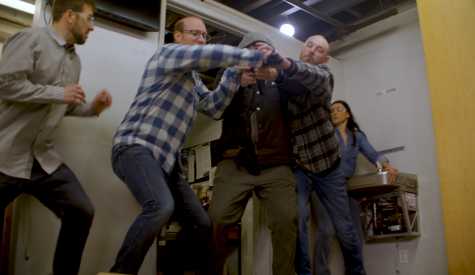
- Shelter and attack. If you can’t escape, find a secure place and prepare to defend it. Lock and barricade doors, turn off lights, close blinds, silence phones, stay low, and move away from the doorway. Gather books, office equipment, a fire extinguisher, or other objects that could be used to distract the attacker. If the attacker enters and you face an immediate threat, attack as a last resort. Act quickly and aggressively, working as a group when possible. If the attacker is disarmed, move weapons out of reach but don’t hold one after the threat ends. The first officers entering the space may mistake you for the attacker.
Once you reach a safe place, call 911. Tell the dispatcher the attacker’s location and physical description, the number of active attackers, the type and number of weapons, and the number and location of injured people. Don’t assume someone else has already called, and stay on the line until the dispatcher tells you to hang up.
Help others once you’re out of danger
Once you’re away from the immediate threat, you may be able to provide medical help to injured people.
Severe bleeding can become life-threatening within minutes, so knowing basic bleeding control techniques can make a critical difference while you wait for first responders.
Depending on the location and severity of the injury, bleeding may be controlled using:
- Direct pressure
- Wound packing
- A tourniquet
Direct pressure can be applied anywhere on the body. Place gauze, a clean cloth, or another available material over the wound and press firmly on the point of bleeding. If the person has multiple injuries, address the wound with signs of life-threatening bleeding first.
Hands-on first aid and bleeding control training is the best way to learn when and how to use each technique.
After: Know what to expect when help arrives
When law enforcement officers arrive, their first priority is stopping the active threat. The first officers may move past injured people as they enter. Rescue teams will follow to provide medical assistance once the area is secure.
As you evacuate, keep your empty hands raised and visible. Follow all instructions from police officers, avoid sudden movements, and don’t approach officers to ask questions or express thanks. Move to the designated assembly area without interfering with law enforcement or EMS operations.
If a weapon is near the attacker, move it out of reach only when necessary. Use your foot to move or kick it away rather than handling it, then place something over it once the attacker is no longer a threat.
Remain in the assembly area until law enforcement officials release you. Investigators may need information from witnesses, and the location will remain a crime scene. Avoid sharing photos, locations, or unconfirmed information on social media while the emergency response is underway.
The impacts of an active shooter incident can continue long after the physical danger has passed. Survivors, witnesses, families, and first responders may experience emotional trauma. Organizations should share available support services, provide access to mental health resources, and recognize that recovery will look different for each person.
Prepare your organization with AVIRT training
A detailed plan and basic awareness provide a foundation, but employees also need opportunities to practice what they’ve learned. AVIRT training takes a comprehensive approach by combining active shooter response with emergency bleeding control.
Training can be customized around your organization’s facility, workforce, and potential threats. Participants learn to recognize weapons, practice response strategies, and apply bleeding control techniques during realistic scenarios.
Learn more about AVIRT training and how it can help your organization prepare people to respond during an active shooter event.
Interested in teaching AVIRT to workplaces and your community? Become an AVIRT Instructor in as little as one day!
Related Articles
9 Reasons Teams Avoid Active Shooter Response Training
Let’s look at some of the most common misconceptions that prevent businesses from investing in active shooter training...
Active Shooter

AVIRT: The Importance of Emergency Bleeding Training
Bleeding isn’t always life-threatening. When severe bleeding occurs, responders can be the difference between life &...
Active Shooter

AVIRT Training Program | Active Violence Emergency Response Training
With the help of the stop the bleed instructor training program from AVIRT, you can respond to any active violence...
Active Shooter