OSHA 1910.269
OSHA 1910.269 Electric Power Generation, Transmission, and Distribution
Workers in proximity to electrical equipment are potentially exposed to a variety of serious hazards. OSHA’s Electric Power Generation, Transmission and Distribution Standard, 29 CFR 1910.269, provides direction for employers on implementing safe work practices designed to mitigate and prevent these hazards.
QEW Regulatory Knowledge
1910.269 includes the operation and maintenance of electric power generation, control, transformation, transmission and distribution lines, and equipment. 1910.269 focuses on many occupational safety principles to protect workers from injuries due to hazards such as electric shocks, fire and burns, falls, moving equipment, and enclosed spaces.

Applicability & Employer Responsibilities for QEW
1910.269 is applicable to workers in the following areas accessible only to qualified employees:
- Power generation installations
- Transmission installations
- Distribution installations
- Communication and metering
These installations are at electric utilities or the equivalent installations at industrial establishments. Other installations that support power delivery include:
- Fuel and ash handline and processing installations
- Water and steam installations
- Chlorine and hydrogen systems
- Test sites where employees perform electrical testing involving temporary measurements
- Line-clearance tree trimming
In the 1910.269 standard, OSHA outlines responsibilities to help you protect your employees. Again, it is your responsibility to regularly supervise employees and, at a minimum, conduct an annual inspection to determine if they are complying with this training and with their safe work practices.
QEW Training
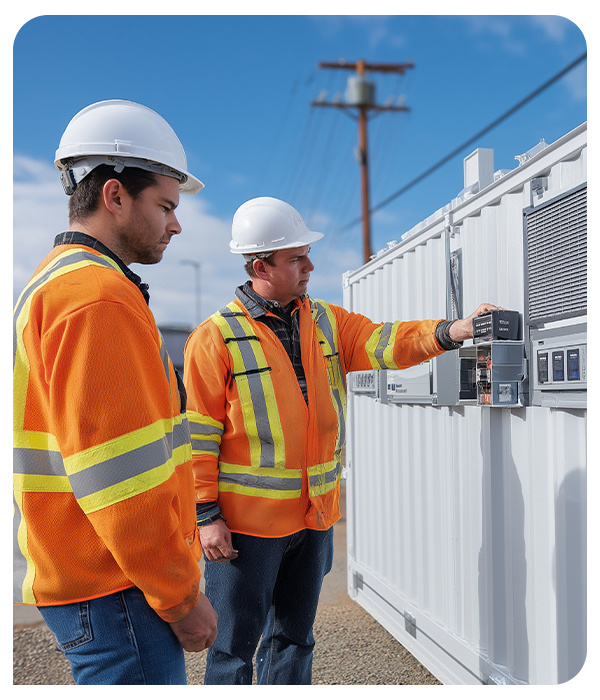
Training is essential to hazard prevention, particularly when working around energized equipment. It is your responsibility to ensure each employee is:
- Proficient in the work they perform
- Trained in the safe work practices and procedures that pertain to their job
While the degree of training depends on the employee’s specific job, all qualified employees are required to be trained and competent in the following:
- Distinguishing exposed live parts from other parts of electric equipment
- Determining the nominal voltage of exposed live parts
- Knowing the minimum approach distances for corresponding voltages and how to maintain those distances
- Understanding proper use of precautionary techniques, personal protective equipment,
- insulating and shielding materials, and insulated tools for working on or near exposed energized parts of electric equipment
- How to recognize electrical hazards to which the employee may be exposed and how to mitigate these hazards
- Emergency rescue procedures
- Recognizing and avoiding other related occupational hazards (falls, enclosed space work, moving equipment, etc.)
It is also your responsibility to regularly supervise employees and conduct an inspection at least annually to determine if your employees are complying with this training and their safe work practices.

First Aid & Medical Services for QEW
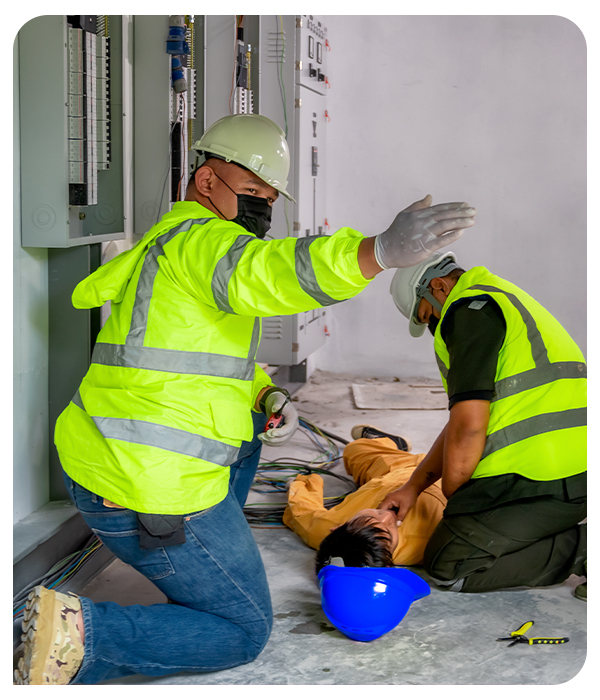
You are required to provide medical services and first aid. Additionally, due to the serious hazards that electric power work poses, the 1910.269 standard contains requirements for First Aid and CPR that go beyond what is required in 1910.151.
These additional requirements apply when:
- Employees are performing work that exposes them to energized parts of 50 volts or more (the recognized voltage level that could cause cardiac arrest or ventricular fibrillation)
When performing work on systems with 50 volts or more:
- Employees with first aid and CPR training must be available.
- OSHA requires these trained employees to work in pairs so one person can administer first aid or CPR to the other person if needed.
- For work at fixed locations, such as power plants and substations, the number of first aid-trained individuals must be enough to ensure any employee exposed to electric shock can be reached within four minutes by one of those trained persons.
QEW Hazard Assessment & Job Briefing
Before each job, you need to:
Assign an employee to be in charge who has all information about the characteristics and conditions of electric lines and equipment of the work to be performed
- Conduct a job briefing with all affected employees before they begin work and again if the work changes throughout the shift
The job briefing must cover several items to ensure your employees are prepared to perform their work safely, including:
- Hazards associated with the job
- Work procedures
- Special precautions
- Energy-source controls
- PPE requirements
- Hazardous Energy Control
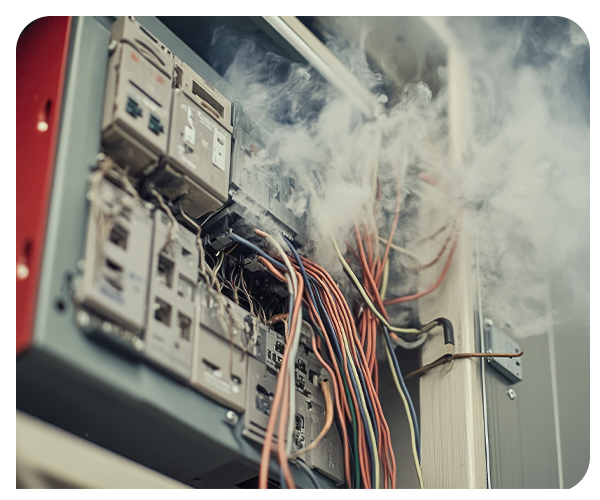
You must have hazardous energy control programs and associated procedures in place to further safeguard workers from the risks of hazardous energy associated with electric power generation, transmission, and distribution.

Qualified Non-Electrical Employee Training
Qualified non-electrical employees, such as tree trimmers, must have the following minimum training:
- They must know what is safe to touch and what is not safe to touch in the specific areas they will be entering.
- They must know the maximum voltage of the area.
- They must know the minimum approach distances for the maximum voltage within the area, and the skills and techniques necessary to maintain those distances.
- They must be trained in the recognition and proper use of protective equipment that will be used to provide protection for them and in work practices necessary for performing their specific work assignments within the area.
- They must be trained to recognize the electrical hazards to which they may be exposed and the skills and techniques necessary to control or avoid those hazards
QEW Frequently Asked Questions
Employees will often not perform first aid during a typical year. Is retraining or recertification required under those circumstances?
OSHA does not require the employee in this situation to be formally recertified if the employee can demonstrate proficiency in appropriate first aid skills each year. Proficiency may be demonstrated through the completion of a written test, a verbal exchange between a supervisor and the employee, or any other method that demonstrates the employee remembers and can use the fundamentals of the training given. The demonstration of proficiency may take place during a toolbox talk or safety meeting covering the fundamentals of the relevant skills. If an employee does not demonstrate proficiency, they must be retrained.
Must host employers mandate that contract employers transfer information to subcontractors before subcontractors begin their work?
The host employer shall establish centralized procedures that contract employers and subcontractor employers must use to obtain, or share, required information.
Which employees may serve as the employee in charge for purposes of the job briefing provisions?
The employee in charge is the designated individual who oversees the work as it is being performed. The employee in charge must be in control of the work and adhere to safety practices, but he or she does not need to have any particular job title. For example, the employee in charge may be the lead person on the work crew.
Does completing HSI training mean employees are certified electric workers?
No. While HSI’s training package is an effective way to build a new or supplement an existing QEW program which meets OSHA standards, QEW qualifications are awarded solely at the discretion of individual employers and cannot be issued by HSI.