OSHA 1910.332
OSHA 1910.332 Qualified Electric Worker Training Schedule
Workers in proximity to electrical equipment are potentially exposed to a variety of serious hazards. OSHA’s Standard 1910.332 provides direction for employers to train workers on safe work practices designed to mitigate and prevent these hazards in non-power industries.
QEW Regulatory Knowledge
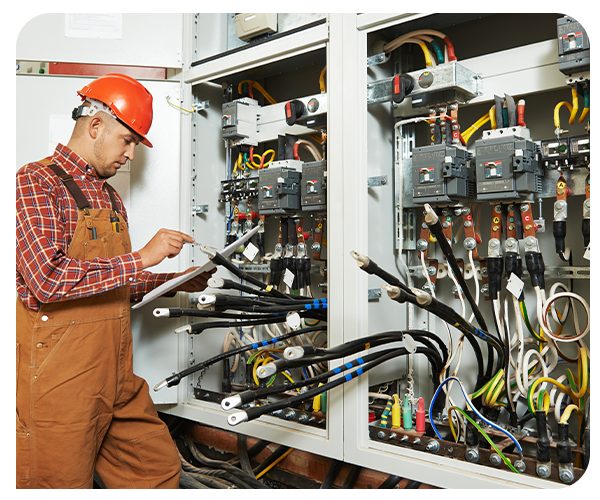
The standard addresses electrical safety-related training for both qualified and unqualified workers, working on, near, or with energized and de-energized equipment. A qualified person has been trained to avoid the electrical hazards of working on or near exposed energized parts. Unqualified workers have had little or none of this training.
QEW Applicability
According to OSHA Standard 1910.332, employees in the following occupations face the highest risk of electric shock and are required to be trained if they or the employees they supervise are exposed to parts of electric circuits operating at 50 V or more to ground:
- Blue collar supervisors
- Electrical and electronic engineers
- Electrical and electronic equipment assemblers
- Electrical and electronic technicians
- Electricians
- Industrial machine operators
- Material handling equipment operators
- Mechanics and maintenance workers
- Painters
- Riggers and roustabouts
- Stationary engineers
- Welders
Other employees who may also reasonably expect to face comparable risk of injury due to electric shock or other electrical hazards must also be trained. These employees may include:
- Plant managers
- Facilities maintenance workers
- Line workers
- Power plant operators
Employer Responsibilities for QEW
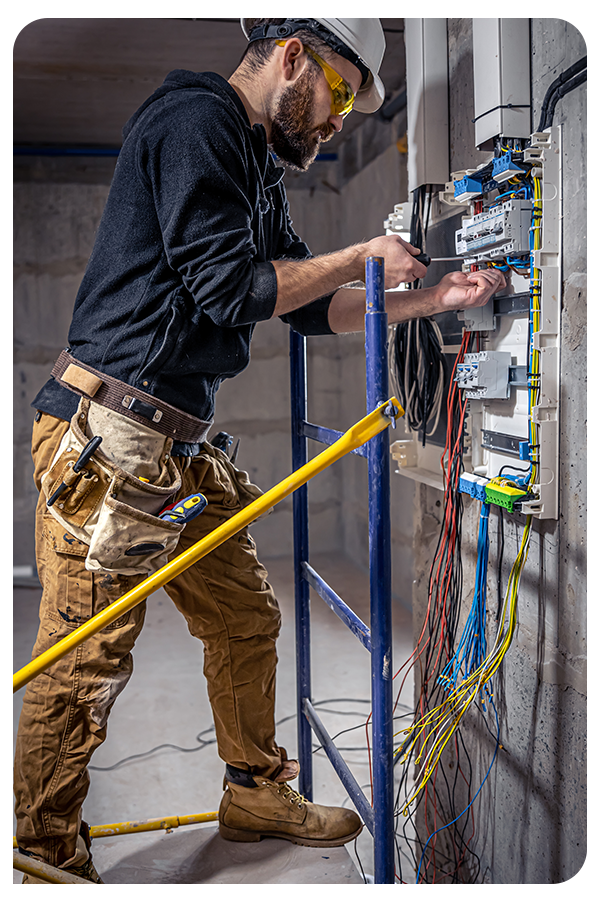
It is your responsibility to regularly train and supervise employees and determine if they are complying with their training and safe work practices.
Training
Training must include qualified and unqualified workers and be specific to the role they are performing.
Qualified workers must be trained on:
- De-energized equipment
- Energized equipment
- Lockout/tagout
- Premises wiring
- Wiring for connection to supply
- Installations of other outside conductors on the premises
- Optical fiber cable
- Portable electric equipment
- Grounding type equipment
- Conductive work locations
- Connecting attachment plugs
- Electric power and lighting circuits
- Personal protective equipment
Unqualified workers must be trained on work performed near or with everything listed above.

QEW Frequently Asked Questions
Do we have the authority to train qualified electric workers?
If you have employees who worker with or around electrical equipment, you not only have the authority, but the responsibility to train them.
How can a manager spot employees who may require more training?
You can look at reported or observed near misses. Employees involved in these events will need additional training. Employees who are not wearing or using proper safety equipment also need additional training.
What are the annual training requirements for qualified workers? Does proficiency have to be documented annually?
OSHA does not have strict calendar-based requirements. Training timing should be based on the risk associated with the task, particularly if the task skills aren’t used frequently (e.g., CPR and rescue).
Where does fiber optic work and electrical safety cross?
While there are some specific safety expectations for working with fiber optics, the crossing point with QEW is the 50 V threshold.