LMS Feature Checklist: Buying an LMS and Making the Right Choice
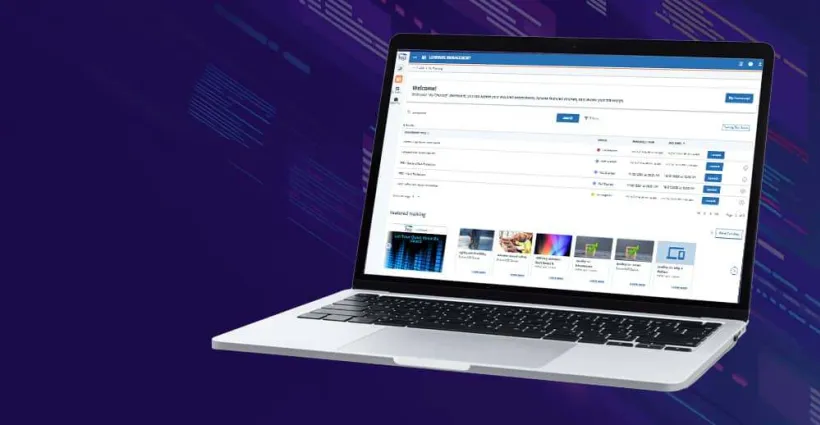
What LMS features align with your organization’s vision, training needs, and LMS integration requirements and how HSI’s LMS vendor feature checklist can guide you on accessing your organization’s immediate and future needs.
Choosing an LMS requires knowing what features are available when comparing different LMS platforms and costs. This article reviews the features in four sections:
- Technical & Data Security: Is the data being recorded, encrypted, and is all data communicated over a secure (HTTPS) connection?
- Administrative Experience & Operational Efficiencies: How much training is required to learn the software? And how many clicks does it take to find and access desired content?
- User Experience & Learner Engagement: Can learners search and enroll in training courses not assigned for enrichment? And self-enroll into tracks, live, and virtual classroom sessions?
- Important Factors Beyond Core Tech: Does the LMS support all your training programs?
HSI’s LMS supports all the features mentioned and supports a flexible LMS and efficient system for compliance as well as learning and development programs driving employee engagement.
Choosing the right learning management system (LMS) based on your organization’s vision, outcomes, and impact can be difficult. Not making the right choice when buying an LMS can be a costly mistake. Your software platform must fit your organization’s vision, training needs, and requirements to integrate with other platforms. Keep in mind, too, the LMS should have operational efficiency with automations, and streamlined reporting make your life easier by saving you and your team time with the administration of online learning.
"Which key features matter most in an LMS?" Whether you are buying an LMS for the first time or replacing your outdated LMS, it’s important to do your research and make an informed decision. HSI’s LMS Vendor Feature Checklist can help guide you based on features to bring the most impactful results to you and your organization for immediate and future needs.
So, how do you zero in on the LMS features that will work best for your organization? And how do you ensure you’re making a true, like-for-like comparison of features? Once the leg work is completed, how do you make the right choice? Keep in mind that an LMS is an accountability tool, something that helps HR, L&D and safety professionals manage compliance and training programs, as well as simplify all training related tasks, from scheduling and tracking to identity lapses in compliance and other training needs.
Start with Your Learning Ecosystem...
A good first step is to consider your organization’s learning ecosystem as a whole.
- Is your training content accessible at any time, every day of the year? On any platform? Anywhere?
- Does your L&D team have a good sense of what content topics you need, and the phase in each employee's career they’ll need them?
- Does your LMS give you user-friendly tools to create your own content? If so, are the tools being utilized by your team?
Our eBook, “The Learning Ecosystem” is a helpful resource.
Next, think about who will need to use the system. This will help determine which LMS is best for the learners and the LMS administrator.
- How do your learners feel about your current LMS?
- When, where, and how do your learners want to access the training materials?
- What do your administrators need in terms of tracking and reporting?
Consider the content, as well. A new LMS is nothing without the best training content that aligns with your safety and business goals. Our blog post, “How to Buy eLearning Content for Your LMS”, can offer valuable insights in this regard.
What type of content you’ll need, and how learners will seek out and interact with it depends on your organization’s learning culture. The essential features you need may vary depending on which learning culture you have. Read our whitepaper, The Four Types of Learning Cultures to learn more.
Your corporate strategy should be part of your learning and development decision-making process.
- Are you looking for HR compliance training, professional skills development, or both?
- Have you considered a flexible LMS for HR professionals and safety training?
- How will this technology help your organization meet its strategic goals?
- What problems are you trying to solve? Increasing sales? Improving customer service? Employee retention? Risk Mitigation?
Once you've established your business goals, what type of content you need, and what your learning culture looks like, you can start looking for the right tools to support them.
Next, it’s time to consider features and technology.
Comprehensive LMS Features Checklist
Please keep in mind that you may not need all these LMS features right away. You may only need some today, but as your business evolves, you may need others later. Some might not ever apply to you. That’s why there is no universal answer to the question, “Which LMS should I use?”
It’s important to know what features are available, especially when comparing different LMS platforms and costs.
Let’s review the LMS vendor comparison checklist in four sections:
- Technical & Data Security
- Administrative Experience & Operational Efficiencies
- User Experience & Learner Engagement
- Important Factors Beyond Core Tech
LMS Vendor Comparison Checklist
Technical & Data Security
Data Protection:
- What data is being recorded?
- Is that data encrypted?
- Is all data communicated over a secure (HTTPS) connection?
Scalability:
- Is the LMS user limit scalable with planned expansions and growth?
- Does the LMS integrate with HRIS or payroll systems?
- Does the LMS support single sign-on (SSO)?
- Is there a cap on how much content can be added to the LMS?
Custom Permissions:
- Can permissions be granted based on role, group, and user data?
Time-Zone Management:
- Is seamless organization and scheduling across time zones an option?
User Data Synchronization:
- Can data be synchronized with existing payroll or HRIS databases?
- What data fields can be brought over?
- Can you import and export data easily?
- Is user data synchronization a turnkey process?
Customizations:
- Does the system support branding for your organization?
- Can you customize all notifications?
- Can the LMS customize the User Profile?
Administrative Experience & Operational Efficiencies
Automated Enrollment:
- Can learners be added automatically through an integration or imported using a bulk upload tool?
- Is automatic learner enrollment available based on annual compliance or retrain frequencies?
Classroom Tracking and Registration Management:
- Can admins create training courses (instructor-led, virtual, or classroom) with multiple sessions so users can self-enroll?
- Can attendance be tracked in the LMS?
- What logs and activity data are supported?
Notification Management:
- Can the LMS send notifications to learners when training courses are ready to be completed?
- What is the frequency of notifications?
- Can notifications or reports be sent to managers, team leads, and administrators?
Automated Reporting:
- Is standard reporting included?
- Is custom reporting available?
- Is it simple to set up and schedule reports?
- Are there any limitations on custom reports?
- Can the dashboard identify the status of training programs?
- Can reports be emailed automatically?
- Can email notifications be sent to alert admins for past-due user training?
- Can completions be tracked to measure the team or learner progress?
- Can you track online, in-person and blended training?
Custom Administrator Roles:
- Are administrator roles predefined?
- How many roles are there?
- Can roles be created and customized based on permission levels?
- How many administrators can you have?
Content Management:
- Is it easy to create groups based on common attributes (location, role, job, team)?
- Can you build a series of training courses with a linear flow?
- Can training courses be readily assigned for learners’ specific needs?
- Are due dates simple to schedule?
- Can you configure training frequencies for upskilling and annual compliance ahead of time?
Content Options:
- Is there off-the-shelf content available?
- Is it microlearning content?
- Is the content award-winning?
- Can custom content be created?
- Can you upload your own content (SCORM/AICC courses, videos, PDFs, custom exams)?
- Are closed captioning and transcripts available in multiple languages?
- Can you build learning paths or programs?
Competency Management:
- Can you create your own competency track?
- How would you rate the ease of use when building customized competencies that align with organizational training needs?
Personalization/Customization:
- Can admins create training courses in the LMS?
- Can admins customize the welcome email for new users?
Exam Editor:
- Can you create exams and follow-up quizzes?
- Are you able to add custom exam questions?
- Can email notifications and reminder quizzes be generated?
- Can you change the scoring requirements as needed?
Advanced Features:
- What advanced features would incur additional charges?
- Does the LMS support AI?
LMS User Experience & Learner Engagement
User Self-Registration:
- Can users create an account and self-enroll without an admin?
Single Sign-On:
- Can learners sign directly into the LMS without credentials and through a different portal?
User-Friendly Interface:
- Can users easily find the required training and navigate to other tabs to find elective training courses?
- Does the user have access to their own transcript?
- Can the user print their own transcript?
- Is there a tutorial or guide to assist the learning at all times?
Customizable User Profiles:
- Can profiles be customized with additional information, for instance: city, state, location, job title, and manager’s name?
Mobile Learning:
- Is the LMS equally accessible on any device?
- Is the content formatted for use on any device?
- Are all features accessible on mobile devices?
- Can learners access content when needed wherever they’re located?
- Is “just-in-time learning” 24/7/365 for training courses?
Training Reinforcement:
- Is training reinforcement available?
- Can email notifications be generated?
- Can a user identify if their training is delinquent?
Self-Directed Learning:
- Does the LMS support learner self-enrollment in unassigned training courses for self-development?
- Can employees self-enroll into tracks, live, and virtual classroom sessions?
Intuitive User Interface:
- How much training is required to learn the system?
- How many clicks does it take to find and access the desired content? Is it fewer than five?
- Are expected trainings visible from a dashboard with clear deadlines?
Intuitive Course Search:
- Are topics, tracks, training videos, and materials easily searchable?
- Do search results show relevant matches in titles and content?
Personalization/Customization:
- Can favorite training courses be saved and notes made regarding learning points?
Important Factors Beyond LMS Core Tech Features
Strategic Roadmap:
- Will the LMS be scalable with your company’s intended growth?
- Does the LMS provider have plans for improvements?
- Are there extra fees for new features released after implementation?
- Does the LMS support all your training programs?
- Does it integrate with your human resources management systems (HRMS), human resources information systems (HRIS), or payroll system?
LMS Provider Support:
- Is an LMS implementation process shared?
- How long does it take to implement?
- Is there a cost associated with implementation?
- Is customer support included in the cost?
- Does customer support include:
- a customer success manager (CSM) assigned to your organization?
- technology/bug reporting?
- consultative services (course recommendations, content mapping and curation of topics)?
- ongoing LMS software training?
Integration with Other Software:
- Can the LMS be integrated with other software, such as safety management systems and chemical management tools or competency management systems to provide a full suite of solutions?
HSI Can Help
Yes, this is a long LMS checklist! If these features are important to your organization, please schedule a demo with HSI.
It's also important to know that with HSI, when you buy our off-the-shelf content, we include our HSI LMS at no additional charge. This simplifies the "how much does it cost” conversation.
HSI can help you drive learner engagement, not just HR compliance. When an organization wants to expand to a full employee training and development program, the LMS function evolves beyond the needs of admins to focus on the user experience. The training goals change from being compliant to things such as reducing turnover by improving managerial skills, building career paths with succession planning, growing a collaborative culture with healthy communications, and much more. HSI offers an entire new learning experience for your employees.
See our learning platform in action, request a demo today!
Related Articles
How to Buy eLearning Content for Your LMS (And Not Regret It Later)
Buying the right eLearning content for your LMS can be a difficult process. This blog offers a handy checklist to help...
Employee Training & Development

LMS: Learning Management System
One size does not fit all when it comes to an LMS, or Learning Management System. Organizations have different goals,...
Employee Training & Development
Professional Skills Development
Award-Winning Off-the-Shelf Training to Develop Employees and Managers, and Maintain Workplace Compliance Our library...
Employee Training & Development
