Are You Auditing for Compliance or for Insight?
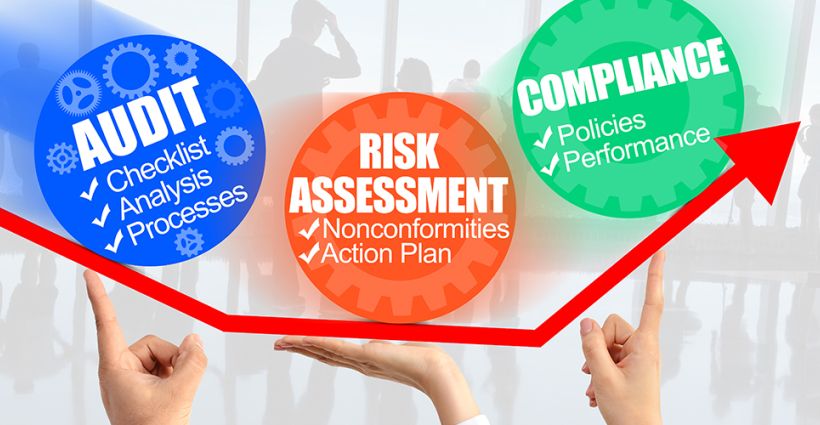
Audits play a critical role in keeping workplaces safe and operations running smoothly. But too often, they’re treated as one-time reports. Documents that are collected, filed away, and forgotten. That kind of approach might satisfy a requirement, but it won’t fix what’s broken or prevent what’s next.
To drive real improvement, audits need to tell a story. They should show you what’s happening on the ground, reveal hidden patterns, and help you act before small problems become serious ones. In this post, we’ll look at how shifting your audit process from routine to strategic can strengthen safety, reduce risk, and build lasting value across your organization.
Compliance vs. Insight: What’s the Difference?
At its most basic, auditing for compliance focuses on meeting requirements. Was the correct PPE worn? Were fire extinguishers inspected? These audits answer yes-or-no questions. They prove you did what was required, but they stop there.
Compliance audits are necessary. Regulations exist for good reason. They set minimum standards and help protect workers. However, limiting audits to this level does not improve safety long-term. It only confirms that rules were followed at a specific point in time.
Auditing for insight looks deeper. It asks tougher questions that challenge the status quo, such as why an issue occurred, whether it is part of a pattern, and if it could lead to something more serious. These questions push teams to investigate root causes, not just symptoms.
For example, if workers repeatedly fail to wear hearing protection in noisy areas, the answer is not simply more reminders. The insight-driven question becomes why aren’t they wearing it? Perhaps the PPE is uncomfortable, the signage isn’t clear, or the training didn’t highlight the risk effectively.
This shift is critical. Insightful audits are not about finding faults, they are about creating safer conditions through learning and action. So, who benefits the most when audits are used this way?
Who Gains the Most From This Shift?
Nearly every leader responsible for safety and operations will benefit. But the value of moving toward insight-driven auditing looks different depending on your role.
Safety Managers gain clearer direction on where to focus training and corrective actions. When audits highlight repeat hazards or knowledge gaps, safety leaders can act fast. Instead of guessing what needs improvement, they can tailor training directly to issues identified during audits. This increases the effectiveness of programs and reduces the chance of future incidents.
Operations Leaders reduce costly downtime caused by recurring issues. Equipment failures, process errors, and repeated hazards slow down production and frustrate teams. Insightful audits help leaders address root causes so problems stop repeating. This keeps operations running smoothly and reduces unexpected work stoppages.
Executives get a bigger picture view of compliance and risk, aligned with corporate priorities. Beyond day-to-day safety, executives need assurance that the company is protected from regulatory, legal, and financial risks. When audit data is connected and visible, leadership can spot broader trends and make decisions that support ESG goals, business continuity, and worker well-being.
Insightful audits impact every corner of the organization. They bring teams together, create clarity around safety challenges, and drive meaningful change. But to keep that momentum going, you need more than just data, you need a smarter way to manage, track, and use it every day.

How to Move Beyond the Checklist
Improving your audit process starts with how you collect and use data. Simply recording information won’t lead to meaningful change. To truly advance safety, audits need to drive action and support continuous learning across the organization. Here’s how to make that happen:
Connect Audits to Organizational Learning: Audits should never gather dust in filing cabinets or digital folders. Every finding, especially those related to unsafe behaviors or conditions, should feed into continuous improvement efforts. Use audit outcomes to shape safety talks, revise procedures, and guide leadership discussions. When audit findings shape daily operations, they become part of your safety culture.
Track and Trend Audit Data Over Time: One audit tells you what happened. Many audits tell you why it keeps happening. By aggregating data across locations, teams, and timeframes, patterns emerge. You may discover that slip hazards peak during seasonal weather changes or that certain departments consistently struggle with equipment checks. Recognizing these trends allows you to address them before they result in serious incidents.
Automate Corrective and Preventive Actions (CAPA): Manual follow-up increases the risk of delays or oversights. Automation ensures that once an issue is flagged, the next steps happen fast. Automated CAPA workflows assign tasks, set deadlines, and track completion. This keeps the process moving and ensures accountability across teams.
Centralize Data in One Place: Siloed audit reports limit your ability to analyze and respond effectively. Centralization brings together audit results, training records, incident reports, and other safety data. When everything lives in the same system, it’s easier to cross-reference information and make informed decisions. This not only improves accuracy but also helps identify connections between audits and incidents that might otherwise go unnoticed.
Moving beyond basic audits isn’t about doing more, it’s about doing them smarter. When audits become tools for driving safety, improving efficiency, and building confidence across your organization, they deliver real value. That’s exactly what HSI helps you achieve with the right tools to make it possible.
How HSI Makes It Easy
Audits shouldn’t hold you back. They should move your safety program forward with confidence and clarity. That’s exactly what HSI’s Audit Management solution, part of our powerful EHS System, is designed to do.
By bringing all your audits into one easy-to-use system, HSI makes planning, completing, and tracking effortless. Custom templates, connected data points, and built-in automation take care of the busywork. When issues arise, alerts go out instantly, CAPA workflows launch automatically, and everything is captured for full visibility.
With HSI Intelligence, our AI-powered capabilities make every audit smarter. Right now, they help you search faster, recommend corrective training, and highlight important data. Soon, they’ll go even further, predicting risks based on audit trends and suggesting actions to prevent issues before they happen. It’s AI built for safety, giving you a real advantage.
With HSI, audits shift from routine tasks to powerful drivers of safety, culture, and risk prevention. No more wasted opportunities, just smarter decisions and stronger results. Ready to turn your audits into a true advantage? Schedule a demo today and see how HSI can help you lead with confidence.
Related Articles
EHS Software Solutions: Simplifying Regulatory Compliance
EHS Software for Compliance - Simplify Workplace Safety
EHS Environmental, Health & Safety

5 Steps to Move from Reactive Audits to Proactive Performance
Boost Efficiency and Cut Risk by Aligning Audits with KPIs
Industrial Skills

Enhance Safety with AI: Predict, Prevent, Protect
Reduce Workplace Incidents with AI | HSI
EHS Environmental, Health & Safety