Active Shooter Training
Beyond “Run, Hide, Fight”: Best Practices for Conducting Active Shooter Drills
Many organizations conduct active shooter drills using the familiar “Run, Hide, Fight” model. While it remains a useful foundation, modern best practices go further — combining preparedness, communication, and emotional safety to make training more effective and less intimidating. Thoughtful planning and execution turn these exercises into opportunities to strengthen awareness, improve response time, and build employee confidence.
Get training for your organization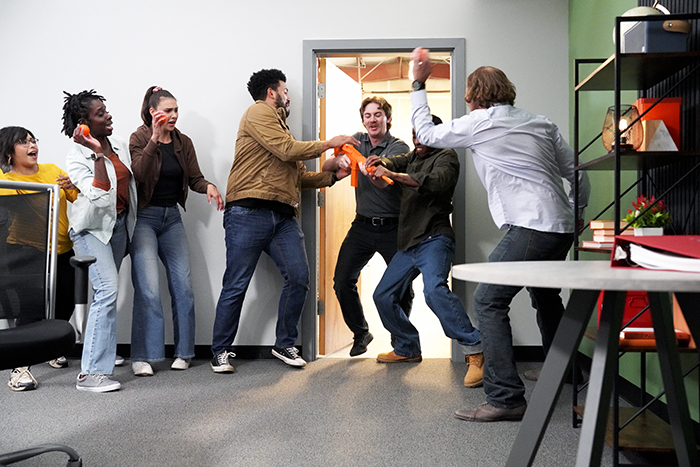
Why Active Shooter Drills Matter
Active shooter drills save lives by transforming theoretical knowledge into practiced behavior. In moments of crisis, people don’t rise to the occasion — they fall back on their training. Drills help employees internalize how to respond calmly, efficiently, and collaboratively when every second counts. When done correctly, these exercises can significantly reduce confusion and panic, ensuring a more organized and effective response.
1. Prepare with Purpose
Before conducting an active shooter drill, define clear goals. Are you testing communication systems, evaluating evacuation routes, or practicing lockdown procedures? Each objective requires a slightly different approach. Preparation should include notifying participants in advance, clarifying the intent of the exercise, and designating trained facilitators or observers to ensure safety and accuracy throughout the drill.
2. Prioritize Psychological Safety
One of the most important evolutions beyond “Run, Hide, Fight” is recognizing the emotional impact of drills. Avoid surprise exercises or overly realistic simulations that may cause distress. Instead, focus on education and empowerment. Communicate clearly that the purpose is preparation — not fear. A post-drill debrief should always include discussion and reassurance to address concerns or anxiety.
3. Incorporate Realistic but Controlled Scenarios
While realism is valuable, balance it with safety. Controlled role-play scenarios or tabletop exercises can simulate critical thinking without creating panic. Use scenario-based discussions to test decision-making — such as determining when to evacuate versus barricade — and highlight that adaptability is key during real incidents. AVIRT training emphasizes calm, decisive action supported by situational awareness and communication.
4. Include Coordination with Local Responders
Partnering with law enforcement or emergency responders adds realism and helps identify gaps in your organization’s emergency plans. Invite them to observe, provide feedback, or even participate. Their insights can improve evacuation flow, communication protocols, and incident command procedures.
5. Evaluate and Improve After Every Exercise
An active shooter drill should never be a one-time event. After each exercise, conduct a structured debrief to review what went well and what needs refinement. Collect feedback from participants, identify bottlenecks or confusion points, and update policies accordingly. Consistent evaluation ensures that each drill strengthens your overall readiness and reinforces a culture of safety.
Moving Beyond “Run, Hide, Fight”
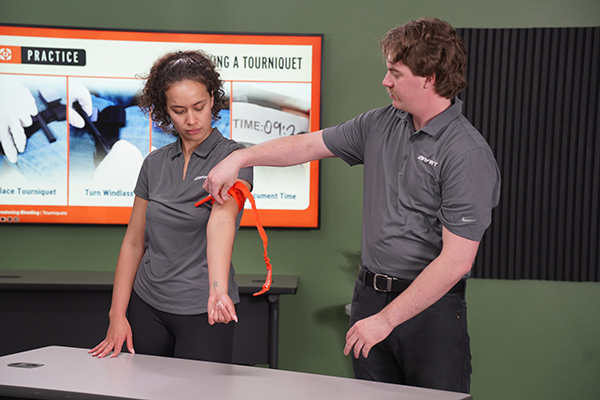
The traditional “Run, Hide, Fight” model remains valuable, but it’s no longer enough on its own. Modern training integrates medical response (like bleeding control), communication systems, and psychological preparedness. AVIRT training expands this approach by combining hands-on practice with situational awareness and leadership under pressure — ensuring that every employee knows not just what to do, but how to do it effectively.
Creating a Safer, More Confident Workforce
Active shooter drills, when conducted with care and purpose, can transform fear into readiness. By focusing on planning, communication, and post-drill reflection, organizations help employees respond effectively under stress while feeling supported throughout the process.
With AVIRT, businesses gain the confidence that comes from comprehensive, compassionate, and well-structured active shooter training — built to protect people, not frighten them.
