Active Shooter Training
From Panic to Prepared: How Active Shooter Training Reduces Fear and Builds Confidence
When the topic of active shooter training comes up, many employees initially feel anxious, uncomfortable, or even fearful. That reaction is normal because workplace violence is an emotionally charged subject. But with the right approach, training doesn’t increase fear. It reduces it. Effective active shooter training empowers employees with clarity, confidence, and a sense of control during unpredictable situations.
Get training for your organization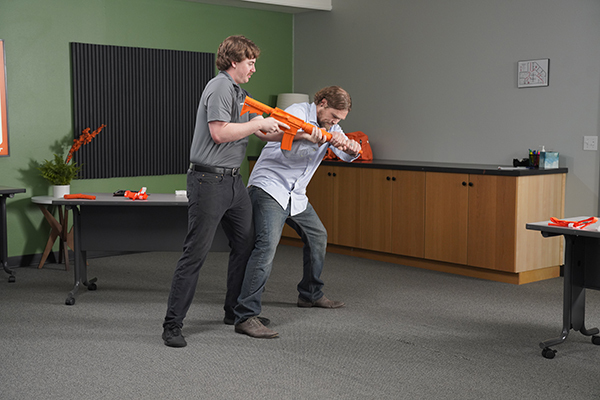
Understanding the Psychology of Fear in Emergency Situations
Fear thrives in uncertainty. When people don’t know what to do during a crisis, stress levels rise and decision‑making becomes more difficult. Active shooter training eliminates the unknown by giving employees step‑by‑step strategies, communication tools, and hands‑on practice. This shift from uncertainty to understanding is one of the most powerful psychological benefits of structured preparedness.
Why Training Reduces Anxiety — Not Increases It
Contrary to common assumptions, well‑designed training does not intensify fear. Instead, it focuses on education, clear communication, and rehearsed action steps that help participants feel mentally prepared. With AVIRT’s approach, employees learn that training isn’t about dwelling on worst‑case scenarios — it’s about building the skills that lead to survival, teamwork, and decision‑making.
1. Knowledge Replaces Panic with Control
Panic often comes from not knowing what to do. Training helps employees understand how active violence incidents may unfold, what early warning signs look like, and how small actions can make a major impact. This knowledge reduces helplessness and builds confidence.
2. Practice Builds Automatic, Confident Responses
When people practice emergency responses, their brains begin forming muscle memory. Instead of freezing or panicking, they move into action because they’ve rehearsed these steps before. Even basic scenario walk‑throughs help employees feel more capable and prepared.
3. Training Clarifies Communication and Team Roles
During a crisis, confusion spreads quickly. Active shooter training addresses this by clearly outlining communication protocols, emergency alerts, evacuation routes, and safe room procedures. Employees understand what to do, and what their co‑workers will be doing, which dramatically lowers anxiety.
4. Emotional Debriefing Helps Employees Process Fear Safely
One component of high‑quality training is emotional processing. AVIRT training includes time for questions and discussions that validate emotions without amplifying them. This supportive environment transforms fear into confidence and connection.
The Psychological Benefits of Active Shooter Training
The emotional impact of preparedness is just as important as the tactical skills. Employees often report feeling:
• More confidence in their ability to act under stress
• Better awareness of their environment
• A greater connection to coworkers
• Less fearful of workplace violence
• More empowered and in control
Training is not about instilling fear — it’s about removing the fear that already exists.

How AVIRT Training Builds Confidence Without Trauma
AVIRT’s approach emphasizes education, clarity, and empowerment. It avoids high‑stress, overly realistic simulations that can cause unnecessary distress. Training focuses on practical movement, situational awareness, decision‑making, and communication. The result is confidence, not panic.
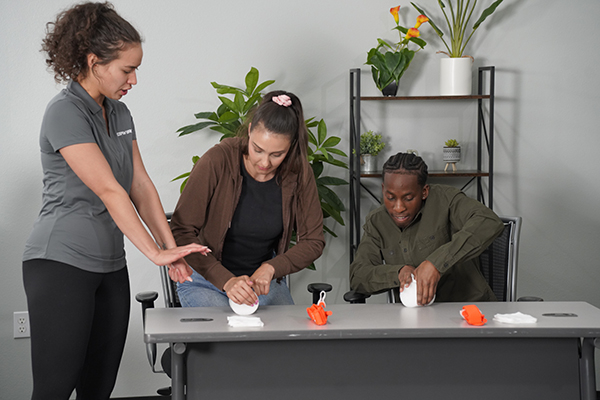
Prepared Employees Are Confident Employees
When employees understand what to do and feel equipped to act, fear diminishes and confidence grows. Active shooter training creates a workplace culture built on readiness, resilience, and shared responsibility. The goal is to prepare participants, and preparation saves lives.
If your organization wants to build confidence, reduce anxiety, and empower its workforce, AVIRT is ready to help.
