The Hazard Was Reported at 4:45 PM. Did Night Shift Ever Hear About It?
Key Takeaways
Reporting a hazard does not control the exposure. If the permanent fix has to wait, the interim controls and the information behind them need to remain in place across shifts.
An incoming crew needs more than a general warning. Workers and supervisors may need to understand the unresolved condition, current restrictions, temporary controls, and what must happen before normal work resumes.
Ownership should stay attached to the open corrective action, not the person or shift that first reported the problem. Closure should also confirm that the final action addressed the original condition.
What Happens After a Hazard Is Reported?
A forklift operator notices a damaged pallet rack near the end of day shift. The supervisor barricades the bay and submits a hazard observation. Maintenance cannot inspect it until later that evening.
At 6:00 PM, night shift starts. Does that crew know why the bay is blocked? Do they know whether the rack can still be loaded? Who owns the repair? Has anyone decided when the area can return to normal use?
This is where observation management can break down. Reporting captures the problem, but the risk may still be there after the people who found it go home.
Hazard Reporting Is Only the First Step
Getting workers to report hazards is important, but the report only starts the response. OSHA recommends that employers respond promptly to reported concerns and give workers the information they need to understand workplace hazards and controls.
The reason is simple. Documenting a damaged machine guard or leaking valve makes the problem visible, but it does not remove the exposure. Once a significant hazard is reported, the immediate question is: What protects people while this remains open?
Sometimes the permanent fix can happen right away. Other times, maintenance may need parts, engineering may need to review the condition, or operations may need to schedule downtime. In those cases, OSHA's hazard prevention and control guidance recommends interim controls to protect workers until a longer-term solution can be implemented.
Those controls then have to remain effective for as long as the hazard is open. If the original crew leaves before the permanent fix is complete, the next shift needs to know what condition remains and what protections are still required.
Shift Changes Test Whether Hazard Information Actually Carries Forward
The crew that discovers a problem often carries context that never makes it into the handoff.
They know why an area was barricaded, what maintenance has already checked, and what workers have been told not to do. The observation record can capture that information, but only if those details are documented and remain connected to the open issue.
Consider a blind intersection where workers report repeated close calls between forklifts and pedestrians. Operations assigns a spotter during heavy traffic while the company evaluates a permanent layout change.
Day shift understands the temporary requirement because they were there when it was established. Night shift may hear about the traffic concern without knowing that a spotter is still required.
The incoming team needs enough context to understand how to work safely around the unresolved condition:
What hazard remains open?
What temporary control or work restriction is in effect?
Has the condition changed since it was reported?
What has to happen before normal work resumes?
The level of communication should reflect the risk. A minor housekeeping issue may require routine tracking. A damaged guard, electrical exposure, or other significant hazard may require immediate escalation, broader communication, and specific interim controls before work continues.
The next crew should understand the hazard and the controls in place without relying on the original reporter to fill in the gaps.

Open Hazards Need Clear Ownership and a Path to Closure
Even when the incoming crew understands the condition, someone still has to own what happens next.
The day-shift supervisor sends an email. Maintenance says they will look at the issue later. Safety has the observation in the system. Everyone knows about the problem, but nobody clearly owns the next action.
OSHA recommends assigning responsibility for hazard controls to specific people with the authority or ability to implement them. Its guidance also calls for target completion dates, progress tracking, and follow-up to confirm that controls are effective.
That ownership needs to stay with the open action as shifts change. Suppose an operator reports a recurring fluid leak. Someone cleans the floor, puts down absorbent material, and opens a maintenance request. The next shift arrives to a dry floor and may assume the problem has been resolved.
But the cleanup addressed the immediate condition. The leaking component may still be waiting for repair.
The corrective-action process should make clear whether the hazard is under interim control or permanently resolved. Once the final action is completed, the organization should confirm that it addressed the condition that triggered the observation.
Connected Observation Management Keeps Open Hazards Visible
A shift handoff should not be the only thing standing between an open hazard and the next crew. Once a condition is reported, the organization needs a reliable way to keep it visible, communicate what has changed, and make sure the next action does not disappear when people leave for the day.
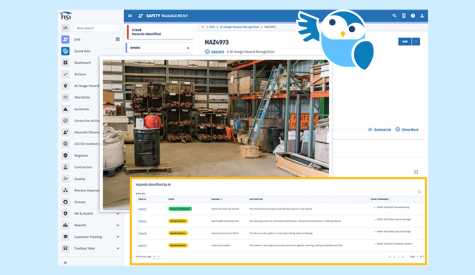
HSI's Hazards & Observations Management connects the original observation with the work that follows. That gives safety and operations teams a clearer way to manage an open issue from report through resolution.
A connected workflow can help teams:
Keep open hazards visible. Managers can receive notifications when observations are reported, while alerts and escalations help surface issues that need attention.
Keep ownership clear. Follow-up tasks and corrective actions can be assigned to specific people instead of relying on emails or verbal promises to move the issue forward.
Carry important information beyond the original crew. When broader communication is needed, HSI's Safety Alerts Management can send updates based on criteria such as role, incident type, and location.
See whether the issue actually reached closure. HSI's Corrective & Preventative Actions workflow provides status information, closure evidence, and audit history so the corrective action does not disappear once it has been assigned.
Software does not replace the supervisor who needs to explain a temporary restriction or the person who verifies a repair worked. It gives them a shared process for keeping the hazard and the required follow-up visible until the work is actually complete.
If open hazards at your sites still depend on email chains, memory, or verbal handoffs to make it from one shift to the next, see how HSI Hazards & Observations Management can help.
FAQ
What Should Happen After a Workplace Hazard Is Reported?
Reporting should trigger action, not simply create a record. OSHA recommends assessing the hazard, protecting workers with interim controls when necessary, assigning responsibility for corrective action, tracking progress, and verifying that the final control is effective.
What Should Be Included in a Safety Shift Handoff?
A safety handoff should give the incoming crew the information they need to work safely around unresolved conditions. That may include the hazard, current work restrictions, temporary controls, changes since the previous shift, and any precautions that must remain in place. HSE guidance on shift handover emphasizes accurate, task-relevant information for incoming personnel.
How Long Should Interim Hazard Controls Stay in Place?
Interim controls should remain in place while a more permanent solution is being developed and implemented. They also need to be monitored to confirm they continue protecting workers. OSHA's hazard prevention and control guidance recommends tracking controls through implementation and verifying their effectiveness.
Who Should Be Responsible for Closing a Reported Workplace Hazard?
Responsibility should be assigned to a specific person or people with the authority or ability to implement the required controls. OSHA also recommends setting a target completion date, tracking progress, and confirming that the completed control actually addressed the hazard.
What Is the Difference Between a Hazard Report and a Near Miss?
A hazard report identifies a condition, situation, or behavior with the potential to cause harm. A near miss involves an event that occurred but did not result in injury or damage, even though it could have. Both can identify conditions that need corrective action before a more serious incident occurs.
Related Articles
5 Best Practices for a Hazard and Observation Program Employees Actually Use
Make hazard reporting quick and simple so employees are more likely to participate and connect reports to a corrective...
EHS Environmental, Health & Safety

How AI is Transforming Safety: From Finding Hazards to Preventing Incidents
Learn how AI improves hazard recognition, corrective actions, and safety training while supporting OSHA compliance and...
Workplace Safety

How AI Detects Safety Hazards from Job Site Photos
How AI Image Hazard Recognition Works in EHS
Industrial Skills