What Are the Roles and Responsibilities of a Power Plant Operator?

Power plant operators play a critical role in ensuring electricity is delivered safely, reliably, and efficiently. Whether working in a control room or out in the field, operators are responsible for monitoring equipment, managing generation output, and responding to conditions that can affect the stability of the power system.
As the electric grid evolves with new demands and technologies, the role of the power plant operator is changing too. Today’s operators must manage far more complexity than ever before, making training and continuous skill development essential.
Core Responsibilities of a Power Plant Operator
While specific duties vary by plant type and size, power plant operators typically share several core responsibilities:
- Monitoring and control
- Equipment operation and maintenance support
- Safety and compliance
- Emergency response
Monitoring and Control
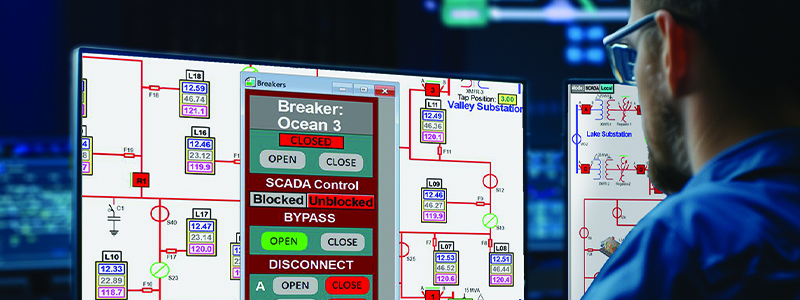
Operators continuously monitor plant systems through control room interfaces, SCADA systems, and field inspections. This includes tracking:
- Generation output
- Voltage, frequency, and system conditions
- Equipment status and alarms
Their goal is to ensure the plant operates within safe and regulatory limits while meeting dispatch and load requirements.
Equipment Operation and Maintenance Support
Operators start up, shut down, and adjust generation units as required. They also:
- Coordinate with maintenance teams
- Identify unusual equipment behavior
- Document operating conditions and events
Early detection of issues helps prevent forced outages and equipment damage.
Safety and Compliance
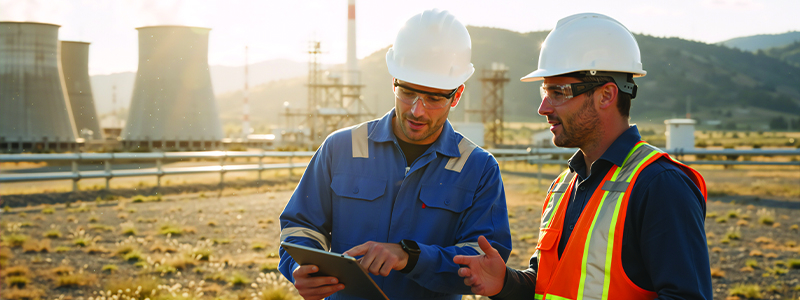
Safety is a constant responsibility. Operators must:
- Follow operating procedures and safety rules
- Support lockout/tagout and permit processes
- Ensure compliance with environmental, regulatory, and reliability requirements
Mistakes can lead to serious consequences, affecting equipment, worker safety, and the reliability of the grid.
Emergency Response
When abnormal conditions occur, such as equipment failures, grid disturbances, or extreme weather, operators must respond quickly and correctly. This is when the operator's training will directly impact the outcome. The right training:
- Builds situational awareness
- Strengthens judgement under pressure
- Improves coordination and communication
- Builds confidence and consistency
How the Operator Role Is Changing
As the power generation landscape evolves, the role of the power plant operator is shifting from traditional on‑site responsibilities to centralized operations supported by advanced technology. Remote Operations Centers now allow specialized teams to monitor and manage multiple facilities from a single location, using advanced sensors, real-time analytics, and secure digital connectivity.
This shift helps address industry-wide challenges, such as aging infrastructure, a shrinking pool of experienced technicians, and increasing pressure for efficiency, by centralizing expertise, improving response times, and reducing reliance on fully staffed individual plants.
Rising Load and Reliability Pressure
Electric demand is growing rapidly due to data centers, electrification, and new industrial loads. Operators are increasingly expected to:
- Ramp units faster
- Respond to frequent dispatch changes
- Maintain reliability under tighter margins
This leaves less room for error and increases the need for precise, well-trained decision-making.
Increased Automation and Digital Tools
Modern plants rely on advanced control systems, digital monitoring, and automated processes. While these tools improve efficiency, they also require operators to:
- Interpret large volumes of data
- Understand system logic and limitations
- Recognize when automation is helping, and when it may be masking a problem
Technology supports operators, but it does not replace the need for strong fundamentals.
Why Training Is More Important Than Ever
The expanding responsibilities of power plant operators make training a critical investment, not a checkbox activity.
Building Strong Fundamentals
Operators must understand not just what to do, but why they are doing it. Strong foundational training helps operators:
- Recognize abnormal conditions
- Understand system behavior
- Make better decisions in unfamiliar situations
Preparing for Real-World Scenarios
Effective training goes beyond procedures. It includes:
- Scenario-based learning
- Simulations and case studies
- Exposure to rare but high-impact events
This training prepares operators to respond confidently when real-world conditions don’t follow the script.
Supporting Career Progression and Retention
Clear training paths help operators progress from novice to expert. This process:
- Builds confidence and competence
- Reduces errors and supervision needs
- Improves retention in a role where experience matters
Adapting to a Changing Grid
As generation types, regulations, and technologies evolve, ongoing training ensures operators stay current and capable of protecting both the plant and the grid. Operators must continuously refine their technical training to manage advanced control systems, integrate variable renewable resources, and respond effectively to dynamic grid conditions. Proactive skill development not only supports operational reliability and regulatory compliance, but also strengthens situational awareness and decision-making in high-risk environments.
Frequently Asked Questions
Do operators need ongoing training after they’re hired?
Yes. With technology, regulations, and grid conditions evolving constantly, operators must complete regular refresher training, simulations, and continuing education to stay current.
How does structured training improve overall power plant operations?
Structured training standardizes procedures, reinforces best practices, and reduces variability in how tasks are performed across shifts. This leads to fewer operational errors, improved reliability, stronger compliance performance, and more consistent decision-making during both routine and atypical conditions.
How does simulation training help operators?
Simulations introduce operators to rare, high‑impact events in a safe environment, strengthening judgment, confidence, and consistency when real‑world conditions become unpredictable.
How does training support long-term plant reliability and performance?
Well-designed training programs help plants reduce forced outages, improve response times during disturbances, and maintain compliance with safety and regulatory requirements. By building consistent operational knowledge across the workforce, training strengthens reliability, protects equipment, and supports sustainable plant performance over time.
Want to find out more about HSI's power plant training? Talk with a specialist today.
Related Articles
AI in Safety: Spot Hidden Hazards Before They Become Accidents
AI in Hazard Detection: Preventing Accidents Before They Happen
EHS Environmental, Health & Safety

AI-Powered Corrective Training: Respond Faster and Smarter to Workplace Incidents
AI-Powered Corrective Training for Workplace Incidents
Workplace Safety

AI in the Control Room: Improving Grid Operations Without Losing NERC Compliance
Using AI in grid operations and NERC compliance
Industrial Skills