CPR, AED, and First Aid Training
CPR 101 and Certification Basics
Cardiopulmonary resuscitation (CPR) is an emergency procedure used when a person is in cardiac arrest. Chest compressions help move blood to the brain and other vital organs. Rescue breaths provide oxygen when included in CPR. Acting quickly and using an automated external defibrillator (AED) as soon as it is available can help until emergency responders arrive.
CPR training helps you recognize cardiac arrest, call for help and practice the skills needed to respond. This guide explains the basics and how to choose training for yourself or your workplace.
Find CPR Training
When is CPR needed?
For a lay responder, the key signs of suspected cardiac arrest are unresponsiveness and absent or abnormal breathing. Gasping is not normal breathing. If the scene is safe, call 911, follow the dispatcher’s instructions and begin CPR. Ask someone to bring an AED if one is available.
A heart attack and cardiac arrest are different emergencies. A heart attack involves blocked blood flow to part of the heart. Cardiac arrest means the heart is no longer pumping blood effectively. A heart attack can lead to cardiac arrest, but a responsive person who is breathing normally does not need chest compressions. Call 911 for either suspected emergency.

What Is Hands Only CPR?
Hands-only CPR means chest compressions without rescue breaths. It is an option for a bystander who sees a teen or adult suddenly collapse and is not trained, able or willing to give breaths. For an unresponsive person who is not breathing normally:
1
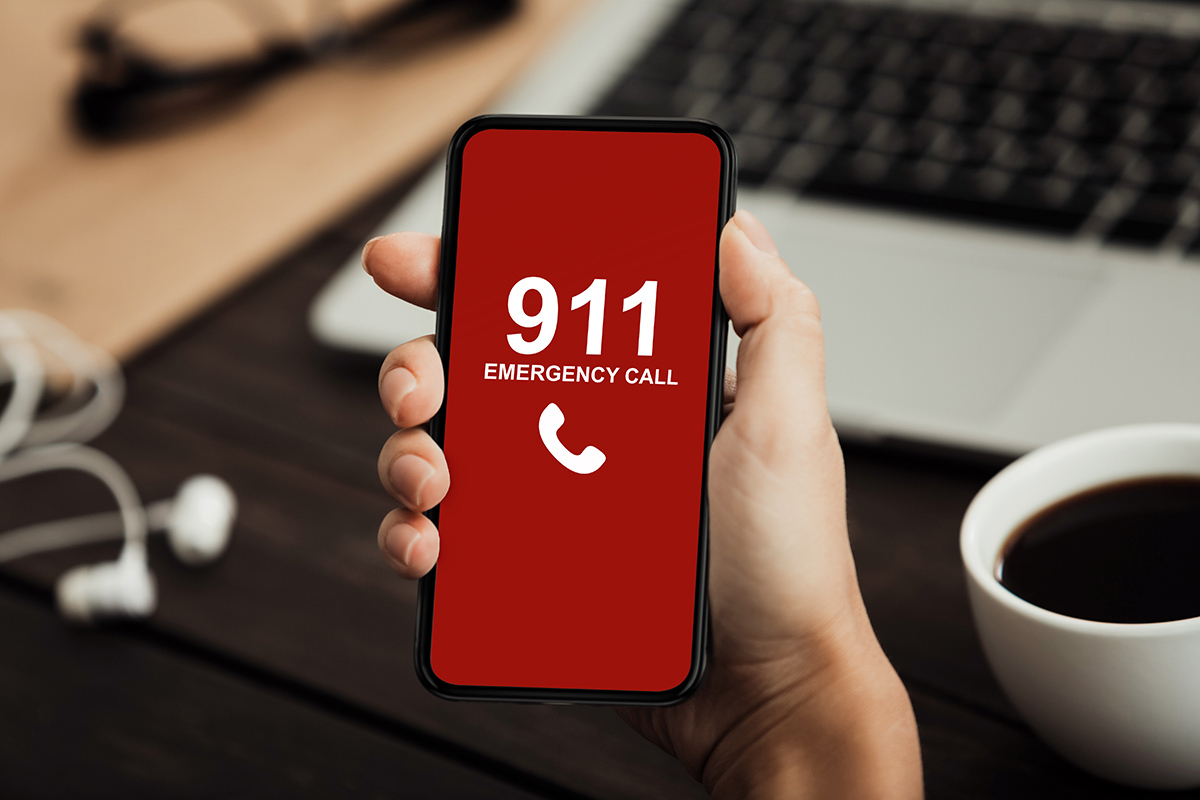
Call 911. Use speakerphone if possible and follow the dispatcher’s instructions. Send another person to get an AED.
2
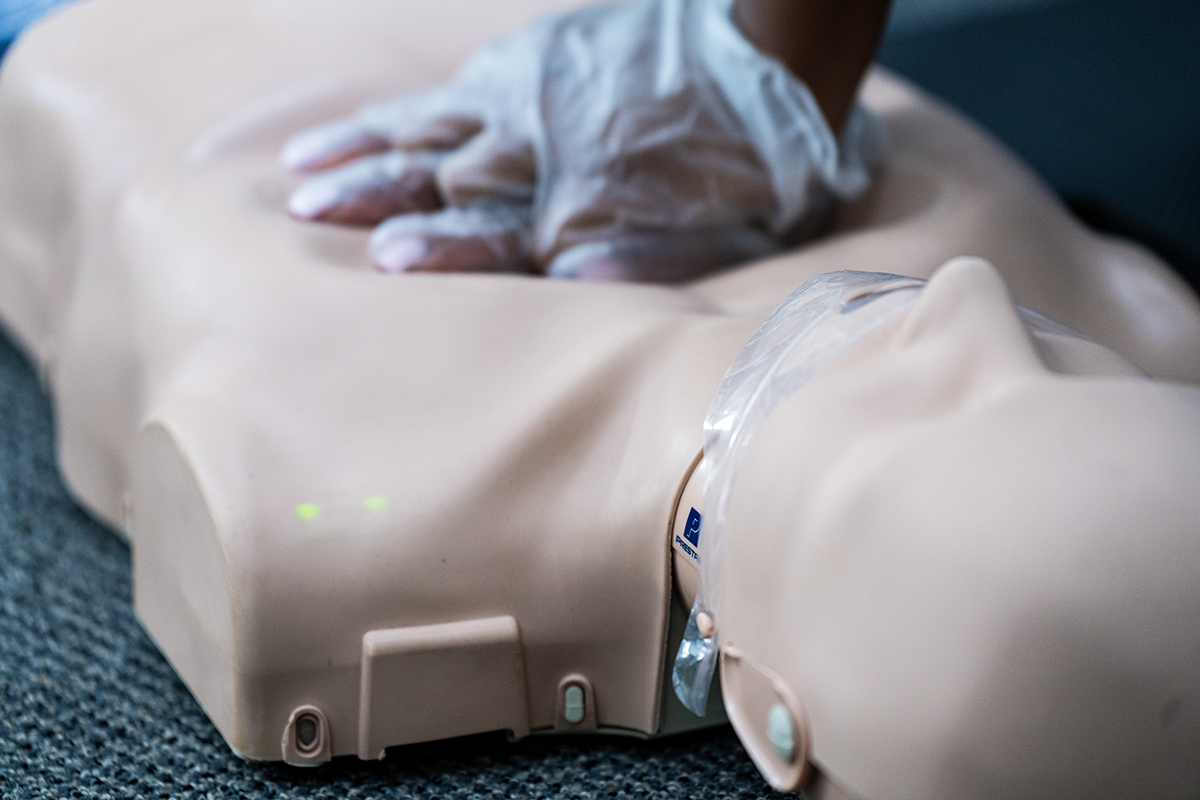
Position the person on their back on a firm, flat surface when possible without delaying compressions. Place the heel of one hand in the center of the chest on the lower half of the breastbone, with the other hand on top.
3
Push hard and fast at 100 to 120 compressions per minute. For an average adult, compress at least 2 inches while avoiding depths greater than 2.4 inches. Let the chest return fully between compressions.
4
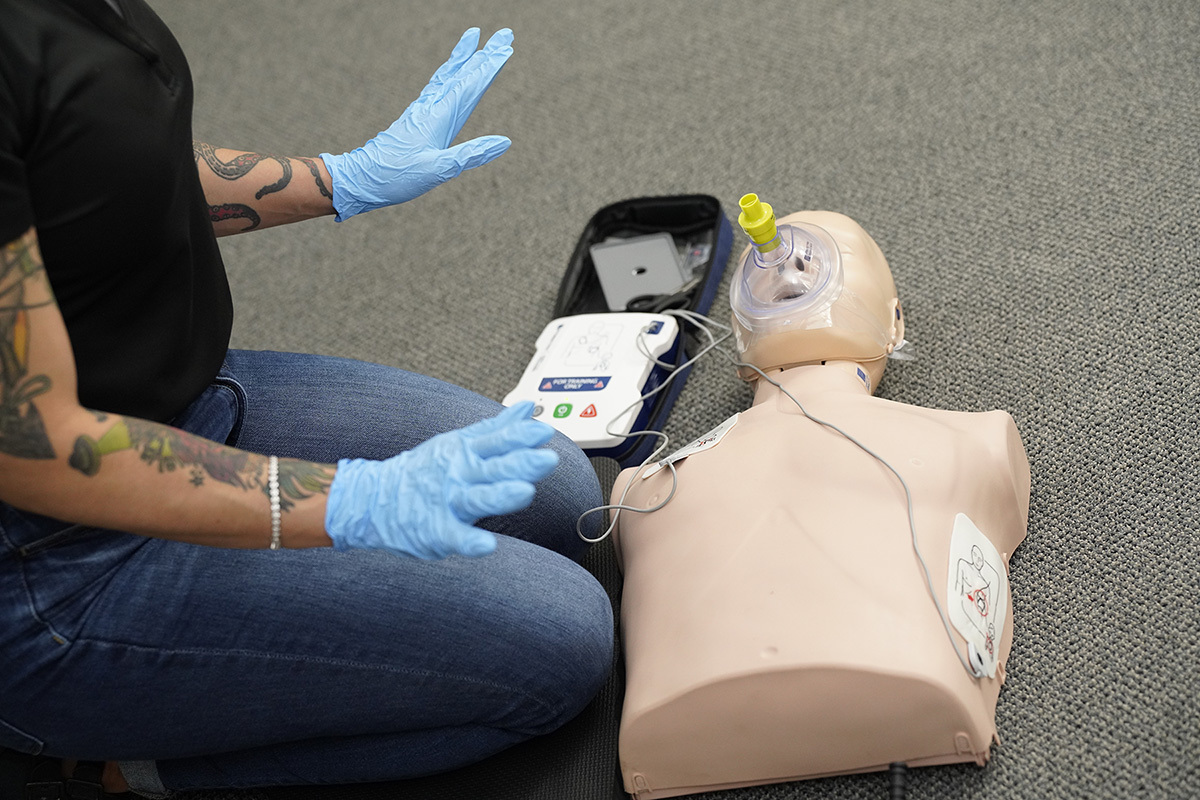
Keep interruptions brief. Follow AED prompts when it arrives. Continue until trained responders take over, the person shows clear signs of life and normal breathing, the scene becomes unsafe, or you are physically unable to continue.
CPR with breaths and hands only CPR
CPR with breaths combines chest compressions with rescue breaths. Trained rescuers who are able and willing to provide breaths should use the approach taught in their course. Breaths are especially important for infants, children and emergencies that begin with a breathing problem, such as drowning.
Adult compression instructions are not the same for an infant or small child. Age-specific training teaches the appropriate compression technique, depth and breathing support. If you are uncertain during an emergency, follow the dispatcher’s instructions and provide whatever help you can.
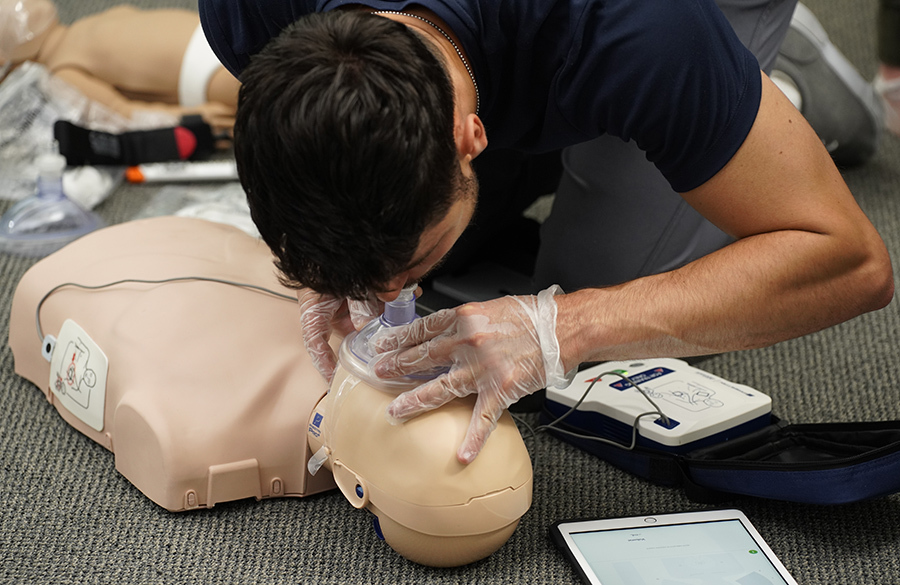
How CPR and AEDs work together
CPR helps circulate blood. An AED analyzes the heart’s electrical rhythm and delivers or advises a shock only when a shock is needed. The device does not replace CPR. Follow its prompts, including instructions to resume compressions after a shock or a “no shock advised” message.
Learn how an AED works
How to get CPR certified
CPR certification documents successful completion of a training course and its required evaluations. Choose training for the ages and situations you may encounter. Someone caring for children may need pediatric skills, while a healthcare role may require a different course, such as Basic Life Support.
- Identify the course you need. Check employer, licensing or school requirements before enrolling.
- Choose a training format. HSI offers classroom training, blended learning and Remote Skills Verification options for eligible courses.
- Complete the coursework and required skills evaluation. Blended learning combines online lessons with an instructor-led, in-person skills session.
- Keep your certification record and plan for renewal. Check the expiration date on your card and refresh your skills between courses.
Reading a guide or completing an online knowledge lesson alone is not the same as completing a course that requires skills verification. Check the specific course requirements before you register.
Explore HSI First Aid and CPR AED Training
Where CPR guidelines come from
CPR guidance develops from research and expert review. The International Liaison Committee on Resuscitation (ILCOR) evaluates resuscitation evidence, and organizations such as the American Heart Association publish clinical guidelines. HSI training programs translate the latest guidance into practical skills. Taking an updated course and practicing regularly helps you stay familiar with the response sequence.

CPR frequently asked questions
CPR stands for cardiopulmonary resuscitation. It is an emergency response that helps circulate blood when a person is in cardiac arrest.
For an adult in suspected cardiac arrest, give chest compressions if you cannot or will not provide breaths. Call 911 and follow the dispatcher’s instructions. CPR with breaths is particularly important in children, infants and breathing-related emergencies, but uncertainty should not prevent you from helping.
Online coursework can be part of CPR certification, but skills verification is required for courses that assess hands-on performance. HSI offers blended learning and Remote Skills Verification options for eligible courses. Confirm the complete course requirements and your employer’s acceptance before enrolling.
HSI First Aid | CPR AED certification is valid for two years. Other programs can have different requirements. Use the expiration date on your certification card and confirm any additional renewal requirements for your role.
CPR addresses cardiac arrest. First aid covers initial care for a broader range of injuries and sudden illnesses. A combined course can teach first aid, CPR and AED skills together.
Find CPR training with HSI
Choose CPR training that fits the people you may need to help. HSI offers training options for individuals and organizations, including courses that combine first aid, CPR and AED skills. Find training or talk with HSI about preparing your team.
Explore Workplace CPR Training
This guide is for general education and does not replace practical training. In an emergency, call 911 and follow the emergency dispatcher’s instructions.